Description
Aeglos is the spear of Gil-galad, whose name is usually rendered as Snow-thorn. The texts note that the enemies of the Last Alliance feared it, and that Gil-galad wielded it through the War of the Last Alliance until he fell with Elendil before Barad-dur. Like many First Age heirlooms, the spear is described more by the standing of its bearer than by any enchantment. Its history before Gil-galad and its fate after his fall are not recorded, and the legendarium is content to let the weapon be remembered chiefly through the king who held it.
Powers
- A long, keen Elven spear of great repute in war.
- Its name and the fame of its bearer were enough to make Sauron enemies fear it.
Limitations
- No special magic or curse is attributed to it; its power is that of a fine weapon and a great name.
- It could not save Gil-galad from falling in the final battle.
Line of owners
- 1
Gil-galad
Second Age
Borne as the spear of the High King through the wars against Sauron.
Symbolism
Symbolism
The strength and dignity of the last High King of the Noldor, and the fact that even the greatest weapon may not preserve its wielder.
Fate
Gil-galad fell at Barad-dur at the end of the War of the Last Alliance. What became of Aeglos afterward is not narrated in the surviving texts.
Interpretation
Reasoned analysis — not from the books
Aeglos is attributed in passing within the accounts of the Last Alliance. Claims about its making and its later history are not supported by the texts.
Characters
Elendil
Survivor of Númenor and first High King of the Dúnedain in Middle-earth, who founded Gondor and Arnor.
 Character
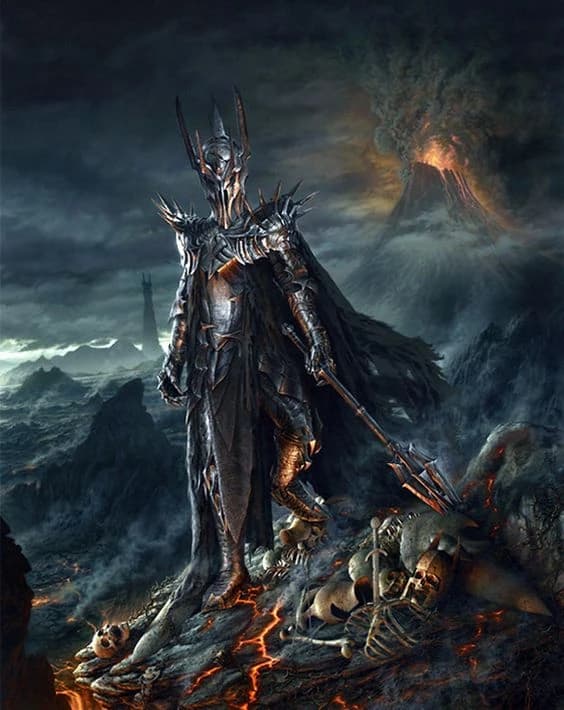
Sauron
A Maia and former lieutenant of Morgoth, forger of the One Ring and the central antagonist of The Lord of the Rings.
 Character
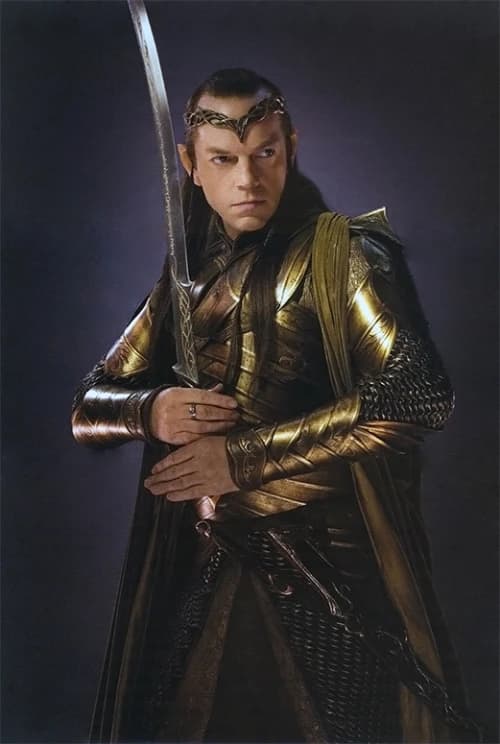
Elrond
Lord of Rivendell, keeper of the Elven-ring Vilya, loremaster and healer, and foster-father of Aragorn.
Sources
The Silmarillion · 1977
Posthumously edited. Contains the Ainulindalë, Valaquenta, Quenta Silmarillion, Akallabêth and Of the Rings of Power.
Unfinished Tales · 1980
Expanded and alternative accounts of the First, Second and Third Ages.
The History of Middle-earth · 1983–96
Twelve volumes documenting the evolution of the legendarium.
The Letters of J.R.R. Tolkien · 1981
Authorial commentary useful for interpretation, but not always narrative canon.
Related entries
 Artifact
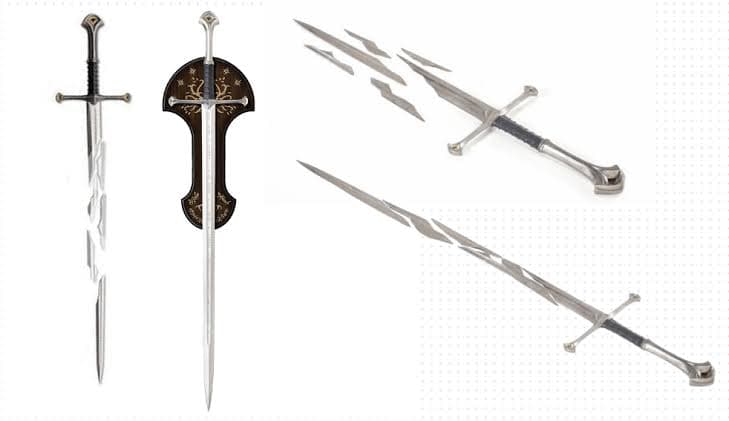
Narsil and Anduril
The sword of Elendil, broken when he fell before Sauron and reforged in Rivendell as Anduril, the Flame of the West, the blade that passes to the heir of Isildur.
 Artifact
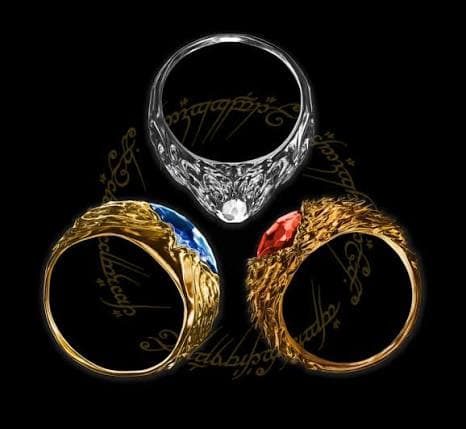
The Three Elven Rings
The three Rings of Power made by Celebrimbor alone, never touched by Sauron, and kept hidden while the One endured. Their preservation of all that Elves loved ended when the One was destroyed.