Middle-earth

Lore archive

Library

The works of Middle-earth, gathered in one shelf: Tolkien’s own novels and collections, posthumously edited writings, and film and television adaptations. Continuity labels keep them honest — a film is never passed off as a novel. Publication order, in-world chronology and a recommended reading order are three different things; the reading paths below untangle them.

14 entries

The Hobbit
Book

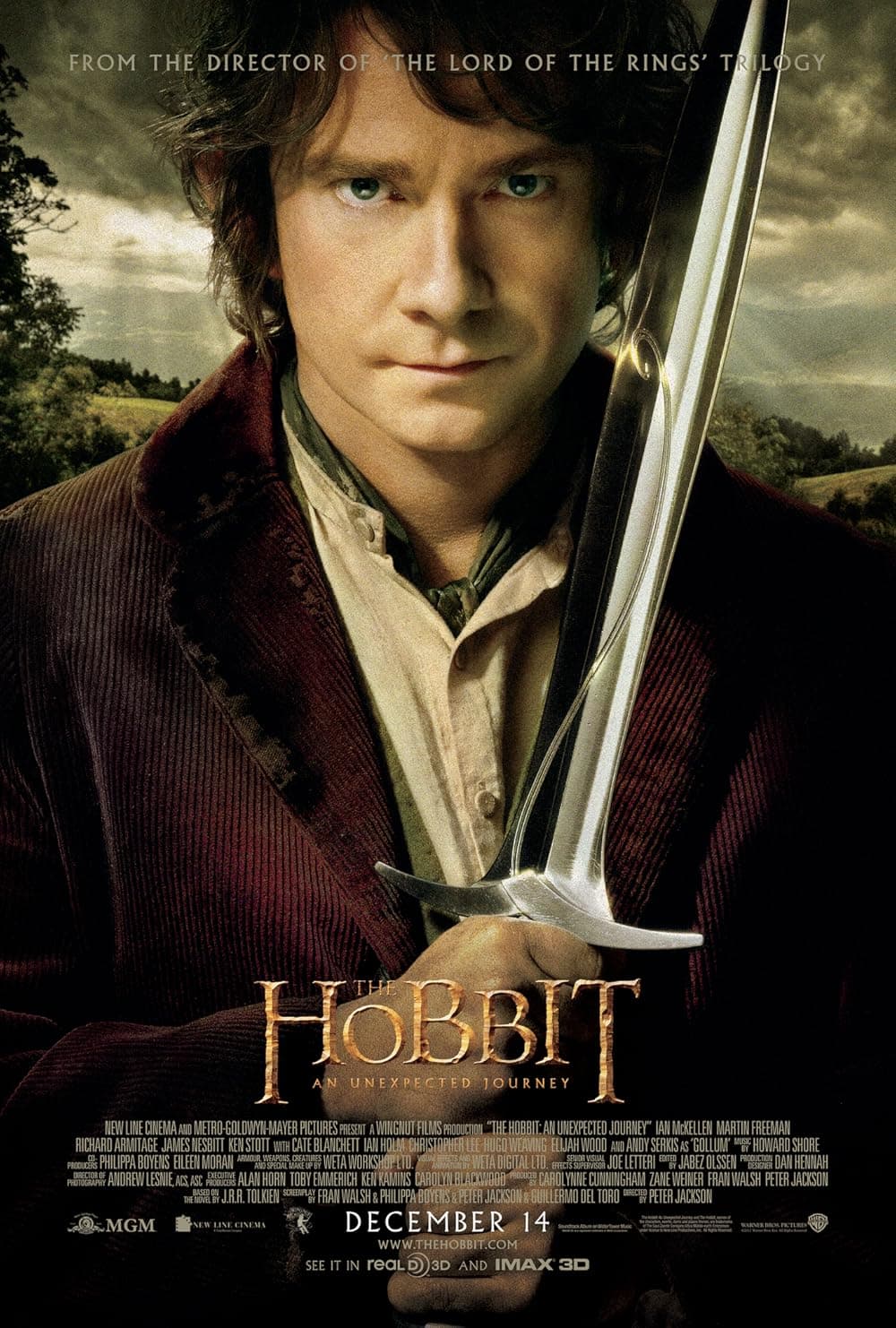
The Hobbit

A reluctant hobbit joins a company of dwarves and a wizard to reclaim a treasure-hoard from the dragon Smaug.

The Fellowship of the Ring
Book

The Fellowship of the Ring

The first volume of The Lord of the Rings: a hobbit inherits a Ring of Power and sets out from the Shire to unmake it.

The Two Towers
Book

The Two Towers

The second volume of The Lord of the Rings: broken alliances, the war in Rohan, and the long road of Frodo and Sam eastward.

The Return of the King
Book

The Return of the King

The final volume of The Lord of the Rings: the siege of Gondor, the Ring’s destruction and the crowning of Aragorn.

Book

The Silmarillion

The mythological foundation of the legendarium: the Music of the Ainur, the First Age, and the long wars against Morgoth.

Book

Unfinished Tales

A gathering of longer and alternate accounts spanning the First, Second and Third Ages, arranged with editorial commentary.

Book

The Children of Húrin

The full, unremitting tragedy of Túrin Turambar, set against Morgoth’s curse on the house of Húrin.

Book

Beren and Lúthien

The tale of the mortal Beren and the Elven-princess Lúthien, presented in successive versions that show how the story grew.

Book

The Fall of Gondolin

The earliest legend of the First Age: the hidden city of Gondolin, its betrayal and its destruction.

Book

The Adventures of Tom Bombadil

A collection of verse, framed as a manuscript of Middle-earth songs and legends found in the Red Book.

Book

The History of Middle-earth

Christopher Tolkien’s twelve-volume scholarly record of how his father wrote, revised and reimagined the legendarium.

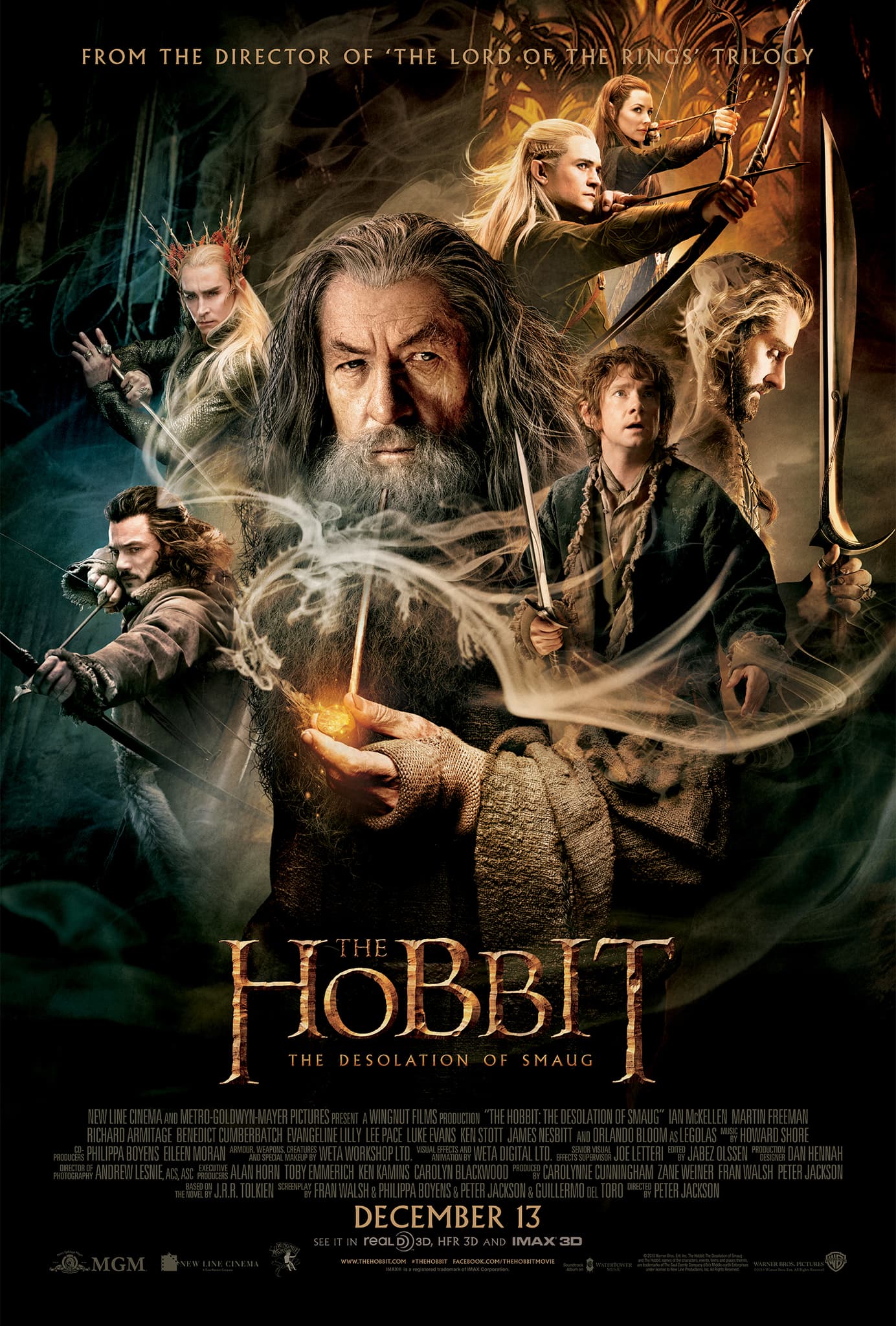
The Hobbit (film trilogy)
Book

The Hobbit (film trilogy)

Peter Jackson’s three-part film adaptation of The Hobbit — an invented expansion, not a Tolkien novel.

Reading guides

Recommended reading paths

Five curated orders through the legendarium, each chosen for a different kind of reader. Every step links to its entry in this library, with a note on why it sits where it does.

Adaptations are not novels

Film and television titles in this library — the two Peter Jackson trilogies and The Rings of Power — are adaptations of Tolkien’s work, not Tolkien novels. Paths that reach the screen use those entries only in a final, comparative step, so the distinction stays visible.

New to Middle-earth

A gentle recommended order for a first encounter. Note that the three orderings genuinely differ: publication order is The Hobbit first, then the three Lord of the Rings volumes; chronological order would begin with the First Age material in The Silmarillion; and the recommended order below puts the most approachable storytelling before the mythology. Start small, then decide whether you want depth or breadth.

  1. The Hobbit

    The natural doorway: a self-contained adventure with a light, storytelling voice. No prior knowledge needed.

  2. The Fellowship of the Ring

    Move straight into the sequel, written for readers who already love Bilbo and the Shire.

  3. The Two Towers

    The war widens and the story splits in two; keep the momentum rather than pausing for lore.

  4. The Return of the King

    Finish the quest and read the appendices lightly — they are a doorway to everything else.

  5. The Silmarillion

    Optional next step. Only now, after the novels, attempt the dense mythology; expect it to feel like a history, not a story.

The Core Quest

The narrow path through the central narrative only. This is publication order restricted to the quest itself: The Hobbit and the three volumes of The Lord of the Rings. If you read nothing else, this is the story. The order here matches publication order, which is also the order of in-world chronology for these four works.

  1. The Hobbit

    The prelude: how Bilbo found the Ring and how the dwarves reclaimed Erebor.

  2. The Fellowship of the Ring

    The Ring passes to Frodo; the Fellowship forms and is broken.

  3. The Two Towers

    The war in Rohan and the long road of Frodo and Sam toward Mordor.

  4. The Return of the King

    The siege of Gondor, the Ring destroyed in Mount Doom, and the crowning of Aragorn.

The Elder Days

A path into the First Age, the deep past that overshadows the novels. In strict in-world chronology this material comes first, though it was published last — a reminder that chronological order and publication order are not the same thing. Read these after at least The Lord of the Rings, and accept that they are assembled and edited texts rather than a single finished novel.

  1. The Silmarillion

    The framework: the Music of the Ainur, the Silmarils and the wars against Morgoth.

  2. The Children of Húrin

    One tragedy from that Age told in full and at close range.

  3. Beren and Lúthien

    The tale of the mortal and the Elf-princess, shown across its many versions.

  4. The Fall of Gondolin

    The earliest legend of the hidden city and its ruin.

  5. Unfinished Tales

    Filling the gaps and alternative tellings, with the editor’s commentary as a guide.

Deep Lore and Textual History

For readers who want to see how the legendarium was built, not just what it says. This path deliberately mixes primary stories with editorial scholarship and verse. Be aware that these works are not a chronological sequence; they are a cabinet of drafts, variants and annotations, and reading them means reading about the making of Middle-earth as much as the world itself.

  1. The Silmarillion

    Establish the canonical overview before studying its seams.

  2. Unfinished Tales

    See alternative and expanded accounts, with the first sustained editorial apparatus.

  3. The Children of Húrin

    A single, fully assembled narrative built from those drafts.

  4. The Adventures of Tom Bombadil

    Verse and folklore that round out the culture behind the histories.

  5. The History of Middle-earth

    The twelve-volume variorum: the deepest available record of revision and invention.

Themes and Tragedies

A comparative path organised by theme rather than by chronology or publication. It pairs the heroic quest with the great First Age tragedies to show recurring ideas — fate and free will, pride and ruin, mercy and endurance — and finishes with an adaptation step so readers can judge for themselves how screen versions handle those same themes. Because it is thematic, it deliberately breaks with both publication order and chronological order.

  1. The Children of Húrin

    Fate versus free will in its bleakest and clearest form.

  2. Beren and Lúthien

    Love and humility against overwhelming power — the counterweight to Húrin’s doom.

  3. The Fall of Gondolin

    Pride, secrecy and the fall of a perfect city.

  4. The Return of the King

    The same themes resolved in hope: mercy repaid and an age ended well.

  5. The Lord of the Rings: The Rings of Power

    Optional adaptation frame: compare how a screen production reworks Second Age power and temptation.