What this is
In brief
Origins
The Ents were made, according to Treebeard, when the thought of Yavanna moved Eru: she feared for the trees that Aulë’s children would fell, and the Ents were created as their shepherds. They are therefore older than many of the later peoples and were already ancient before the Third Age.
Culture
Deliberate, patient and deeply rooted in memory. Ents speak in long, resonant phrases and take counsel slowly; the Entmoot is their assembly. They tend the forests and remember the names of trees, but Entwives, who loved gardens and growing things, were lost to them, and no new Ents are born.
Language
Entish, a slow and ancient tongue, along with learned Elvish and the Common Speech.
History
Ents guarded the woods through the ages, retreating as forests shrank. In T.A. 3019 the Entmoot resolved to attack Isengard, and the Ents broke the dam and drowned the fortress, ending Saruman’s power. Their future is uncertain: Treebeard believed the Ents were fading, their wives lost and their race without offspring.
Leaders
Treebeard
Settlements
- fangorn
Alliances
- the-fellowship-of-the-ring
- rohan
Conflicts
- war-of-the-ring
- battle-of-isengard
Sources
The Lord of the Rings · 1954–55
Three volumes: The Fellowship of the Ring, The Two Towers, The Return of the King.
The Silmarillion · 1977
Posthumously edited. Contains the Ainulindalë, Valaquenta, Quenta Silmarillion, Akallabêth and Of the Rings of Power.
The History of Middle-earth · 1983–96
Twelve volumes documenting the evolution of the legendarium.
Related entries
Fangorn
The ancient forest of the Ents at the southern end of the Misty Mountains, hostile to the axes of Isengard.
 Location
Isengard
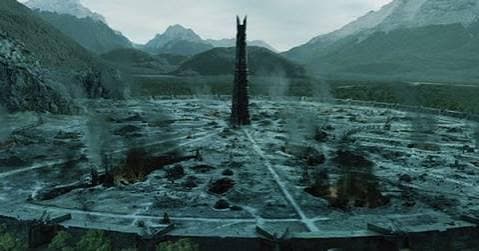
Saruman’s fortress at the southern end of the Misty Mountains, ruined by the Ents in the War of the Ring.
 People
Elves
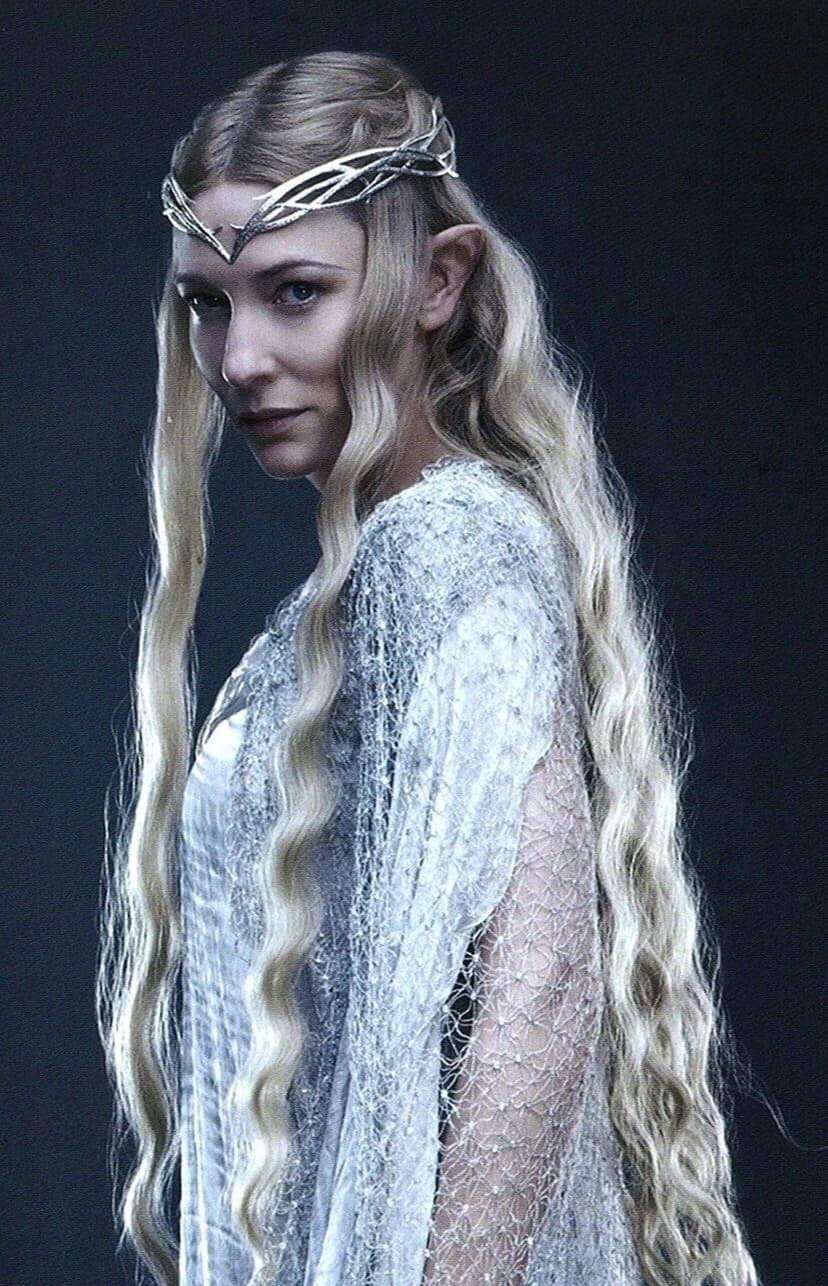
The Firstborn Children of Ilúvatar, deathless and beautiful, whose long history spans the awakening at Cuiviénen, the wars of Beleriand and the slow fading of the Third Age.