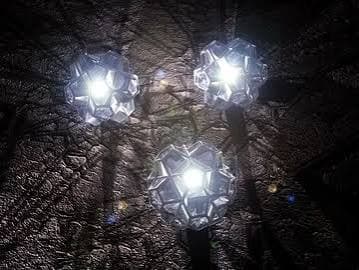
Description
The Silmarils are the greatest work of Elven craft: three crystalline jewels in which Feanor captured and fixed the blended light of Telperion and Laurelin, the Two Trees. They are said to shine with their own living radiance and to be, in effect, the last uncorrupted sample of the light of the Trees after Morgoth and Ungoliant destroyed them. Their beauty made them both priceless and cursed: the desire to possess them, and the oath sworn to reclaim them, cost the Noldor and Beleriand almost everything.
Powers
- Contained and shone with the undying light of the Two Trees of Valinor.
- Were hallowed by Varda so that no unclean or mortal hand could touch them without pain.
- Their light could burn and expose evil, as it did when they were set upon Morgoth crown.
Limitations
- They could not be remade; Feanor heart was so bound to them that their loss unhinged him.
- They could not restore the Two Trees themselves, only preserve their light.
- The oath sworn over them bound the sons of Feanor to an impossible, ruinous purpose.
Line of owners
- 1
Feanor
Years of the Trees
Made them and refused to surrender them even to restore the Two Trees.
- 2
Morgoth
Years of the Trees to the end of the First Age
Stole them with Ungoliant and set them in his iron crown.
- 3
Beren and Luthien
First Age
Cut one from Morgoth crown and carried it out of Angband.
- 4
Thingol, then Dior, then Elwing
First Age
The recovered jewel passed down through Doriath until Elwing bore it to the havens.
- 5
Earendil
First Age onward
Bore the jewel to the West; it was set in the sky as the morning and evening star.
- 6
Maedhros and Maglor
End of the First Age
Took the remaining two by force, and were burned by them as unworthy holders.
Symbolism
Symbolism
The pure light that cannot be possessed without corruption, and the ruin that follows an oath pursued beyond right and reason. They are both the summit of Elven art and the seed of its worst grief.
Fate
One was set in the heavens as the star of Earendil. The two taken by the last sons of Feanor were, in their despair, cast away: one into a fiery chasm in the earth and one into the sea. A prophecy holds that at the remaking of the world they will be recovered and the light of the Trees renewed.
Interpretation
Reasoned analysis — not from the books
The recovery of the jewels at the end of days is a prophecy within the legendarium rather than a narrated event. Tolkien left the matter in the unfinished material, and versions differ.
Characters
In the histories
Sources
The Silmarillion · 1977
Posthumously edited. Contains the Ainulindalë, Valaquenta, Quenta Silmarillion, Akallabêth and Of the Rings of Power.
Unfinished Tales · 1980
Expanded and alternative accounts of the First, Second and Third Ages.
The History of Middle-earth · 1983–96
Twelve volumes documenting the evolution of the legendarium.
Beren and Lúthien · 2017
Multiple versions of the tale, showing how the story evolved.
The Fall of Gondolin · 2018
Assembled versions of the earliest tale of the First Age.
The Letters of J.R.R. Tolkien · 1981
Authorial commentary useful for interpretation, but not always narrative canon.
Related entries
 Artifact
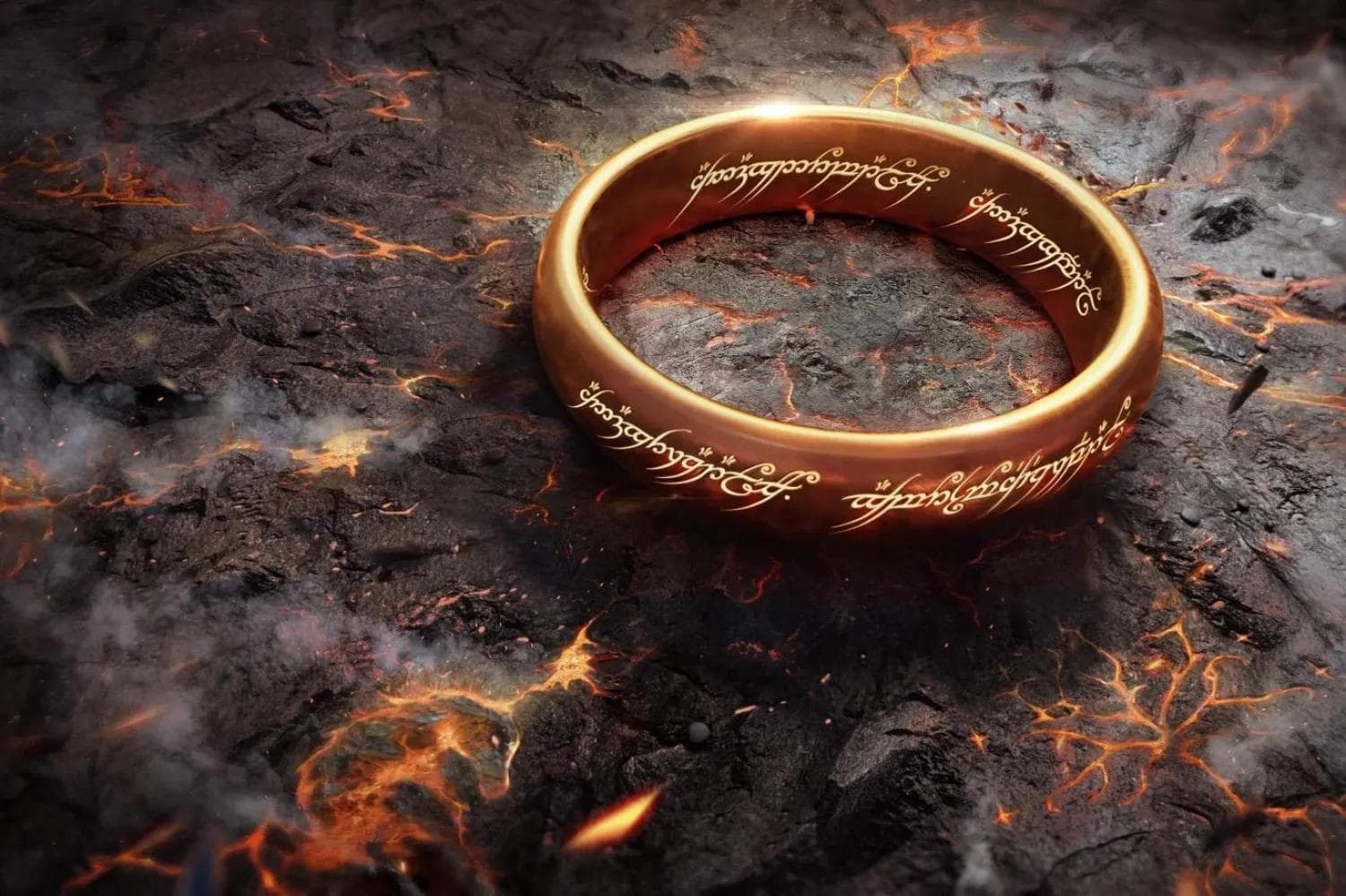
The One Ring
Sauron's master-ring, forged in secret to dominate the other Rings of Power and their bearers. Its passage through Middle-earth drives the central drama of The Lord of the Rings.
 Artifact
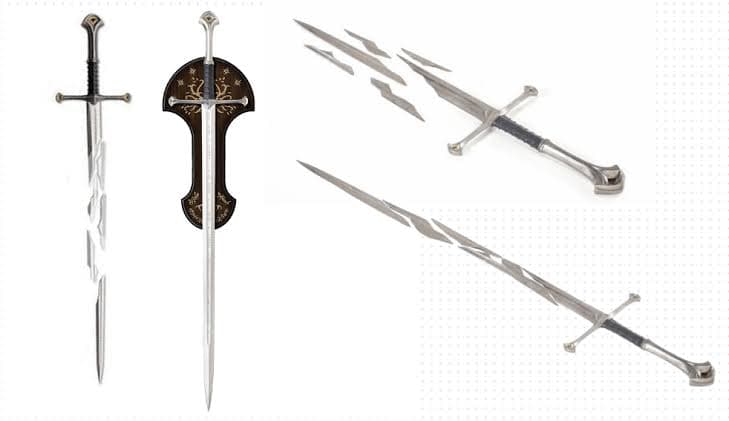
Narsil and Anduril
The sword of Elendil, broken when he fell before Sauron and reforged in Rivendell as Anduril, the Flame of the West, the blade that passes to the heir of Isildur.