What this is
In brief
Origins
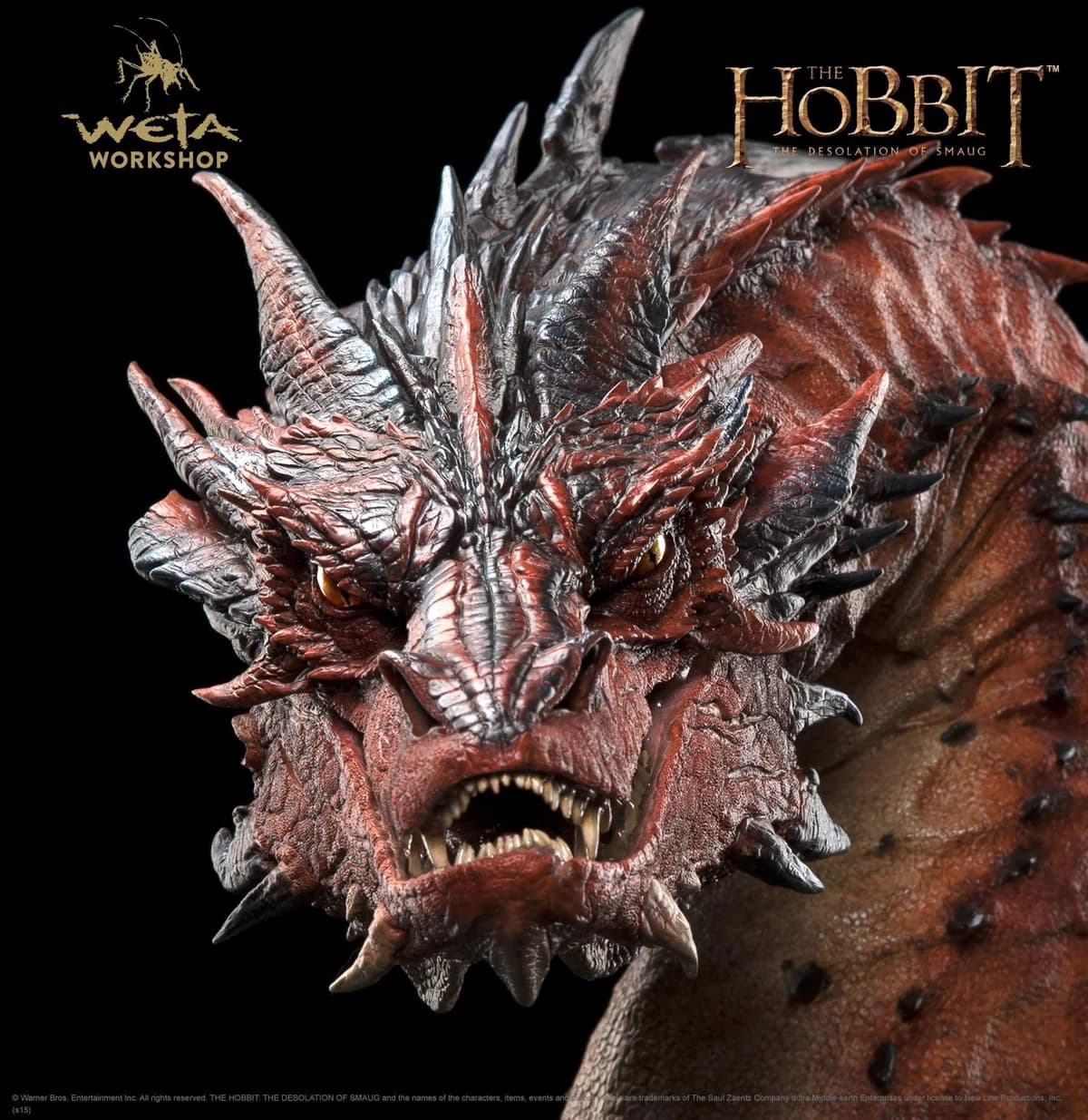
Dragons were bred by Morgoth in Angband in the First Age. Glaurung, the Father of Dragons, was the first to crawl from the pits, and later winged dragons were loosed in the War of Wrath. Their origin is one of deliberate making and corruption rather than natural awakening.
Culture
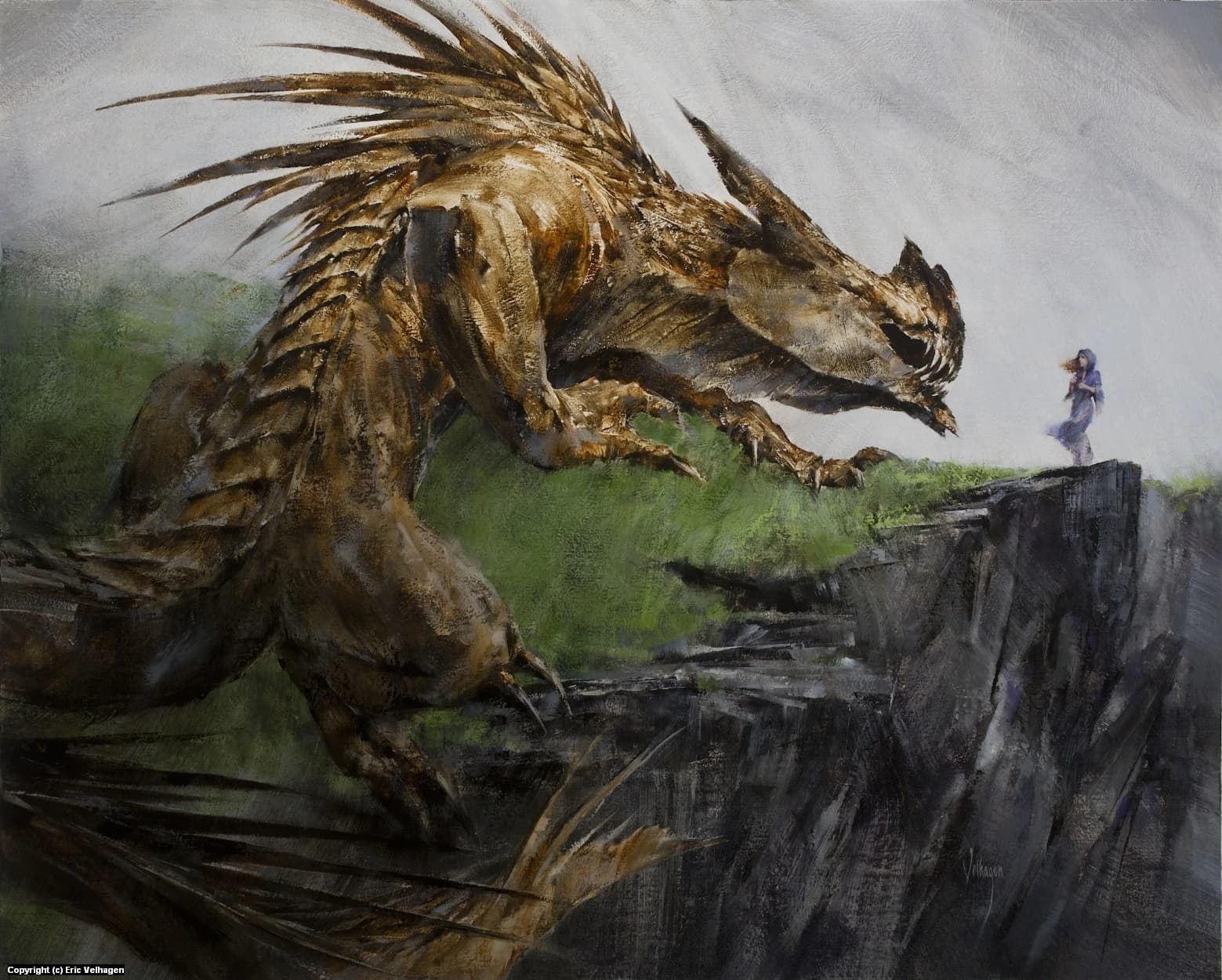
Dragons are solitary, proud and covetous, accumulating hoards and guarding them jealously. The great worms are cunning, capable of speech and deception, and some command a dreadful hypnotic power. They produce few offspring and are ruled by appetite rather than any society.
Language
Dragons spoke, and their speech was understood by the wise; the language itself is not preserved.
History
Glaurung devastated Beleriand in the First Age and was slain by Túrin’s sword and Turin’s own hand, and by Túrin’s story. Winged dragons fought in the War of Wrath. In the Third Age Smaug destroyed Dale and Erebor and ruled the Lonely Mountain until Bard the Bowman slew him. Dragons are said to persist in the far North though few are seen.
Leaders
Settlements
- angband
- erebor
- withered-heath
Alliances
- mordor
Conflicts
- battle-of-five-armies
- fall-of-gondolin
- war-of-wrath
Notable members
Sources
The Hobbit · 1937
Published in Tolkien’s lifetime. The primary narrative of Bilbo’s journey.
The Silmarillion · 1977
Posthumously edited. Contains the Ainulindalë, Valaquenta, Quenta Silmarillion, Akallabêth and Of the Rings of Power.
The Children of Húrin · 2007
A continuous narrative assembled from earlier drafts.
Related entries
 Location
Erebor
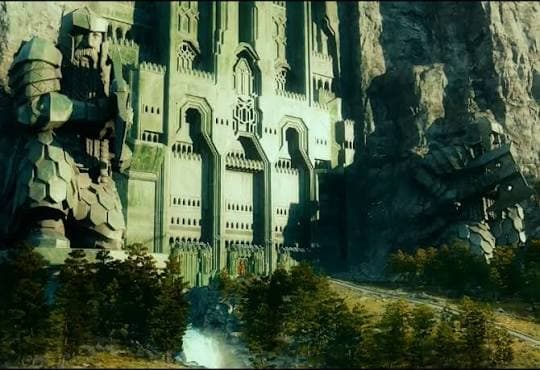
The great Dwarven kingdom under the Lonely Mountain, taken by Smaug and reclaimed in the quest of Thorin.
 People
Dwarves
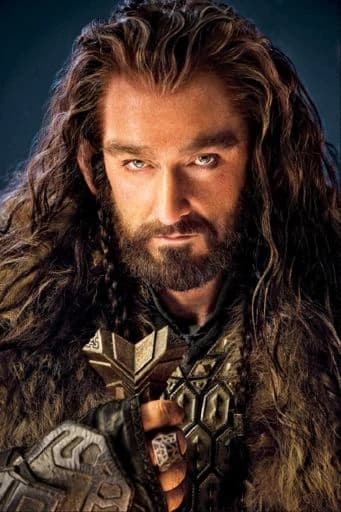
A stone-hewing race of great craft and endurance, made by Aulë before the Children awoke and famed for their smithing, their halls and their long grudges.
 People
Men
The Secondborn Children of Ilúvatar, mortal and brief-lived, whose kingdoms and choices dominate the later ages of Middle-earth.