What this is
In brief
Origins
The Númenóreans descended from the Edain who fought against Morgoth, rewarded by the Valar with the island of Elenna and a lifespan far beyond that of other Men. Elros, son of Eärendil and Elwing, chose mortality and became their first king.
Culture
A maritime civilisation of navigators, builders and loremasters, sitting between the wisdom of the Elves and the pride of Men. At its height Númenor explored the coasts of Middle-earth and taught and commanded its peoples; at its fall it turned to Sauron’s counsel and the worship of the Darkness.
Language
Adûnaic, the native tongue, alongside Sindarin and Quenya among the learned.
History
For an age the Númenóreans were the mightiest of Men. Tar-Minastir helped defeat Sauron, and later kings grew arrogant and forbade the Elvish tongues. Ar-Pharazôn humbled Sauron but was corrupted by him, and in S.A. 3319 he assailed Valinor; Númenor was drowned and the world made round. The Faithful under Elendil survived to build Arnor and Gondor.
Leaders
Elros
Tar Minastir
Ar Pharazon
- Elendil
Settlements
- numenor
- armenenelos
- romenna
Alliances
- elves
- gil-galad
Conflicts
- war-of-sauron
- downfall-of-numenor
- battle-of-the-last-alliance
Notable members
Sources
The Silmarillion · 1977
Posthumously edited. Contains the Ainulindalë, Valaquenta, Quenta Silmarillion, Akallabêth and Of the Rings of Power.
Unfinished Tales · 1980
Expanded and alternative accounts of the First, Second and Third Ages.
The History of Middle-earth · 1983–96
Twelve volumes documenting the evolution of the legendarium.
Related entries
 People
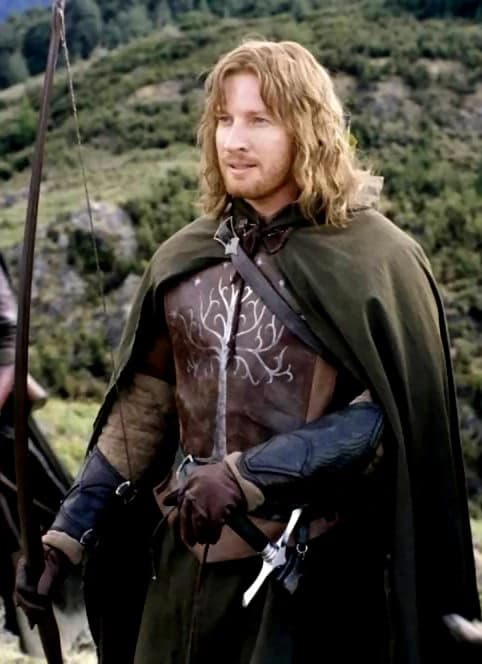
Dúnedain
The long-lived descendants of Númenor in Middle-earth, the remnant of Arnor in the North and the royal line that produced Aragorn.
 People
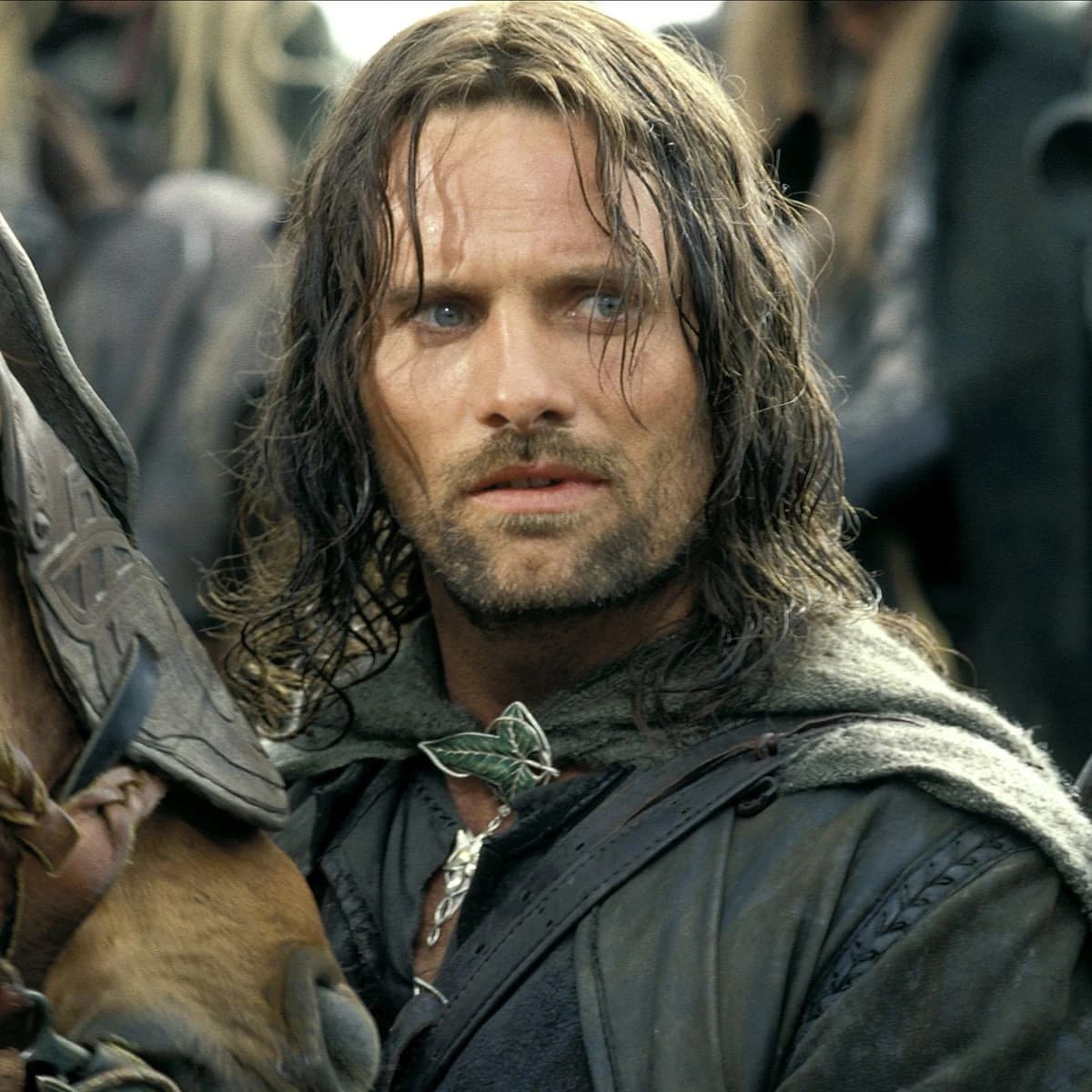
Men
The Secondborn Children of Ilúvatar, mortal and brief-lived, whose kingdoms and choices dominate the later ages of Middle-earth.
Gondor
The great southern kingdom of the Dúnedain, long defended by its Stewards and finally restored under King Elessar.
Arnor
The northern Dúnedain kingdom founded by Elendil, long divided and finally destroyed by Angmar, leaving only Rangers and ruins behind.