What this is
In brief
Origins
The Sindar were Eldar who set out on the Great Journey but did not cross the Sea, lingering in Beleriand under Elu Thingol and the Maia Melian. They were thus named the Grey Elves, neither of the Light nor of the Dark, and they were the first to meet the Dwarves and to forge links with the Edain.
Culture
A refined woodland and courtly culture of music, song and woodcraft, less obsessed with craft than the Noldor but steeped in ancient memory. Thingol’s court at Menegroth was famed for its beauty, and Sindarin became the everyday tongue of most Elves who remained in Middle-earth.
Language
Sindarin, the most widely spoken Elvish tongue of the later ages.
History
The Sindar of Doriath were drawn into the wars against Morgoth through the Silmaril of Beren and Lúthien, and Doriath was destroyed by the Sons of Fëanor. Survivors carried Sindarin culture to Lindon, Eregion, Rivendell and Lothlórien. Celeborn and Thranduil are counted among their line.
Leaders
Settlements
- doriath
- menegroth
- rivendell
- lothlorien
- mirkwood
- grey-havens
Alliances
- noldor
- men
- dwarves
Conflicts
- war-of-the-jewels
- sack-of-doriath
- fall-of-gondolin
Notable members
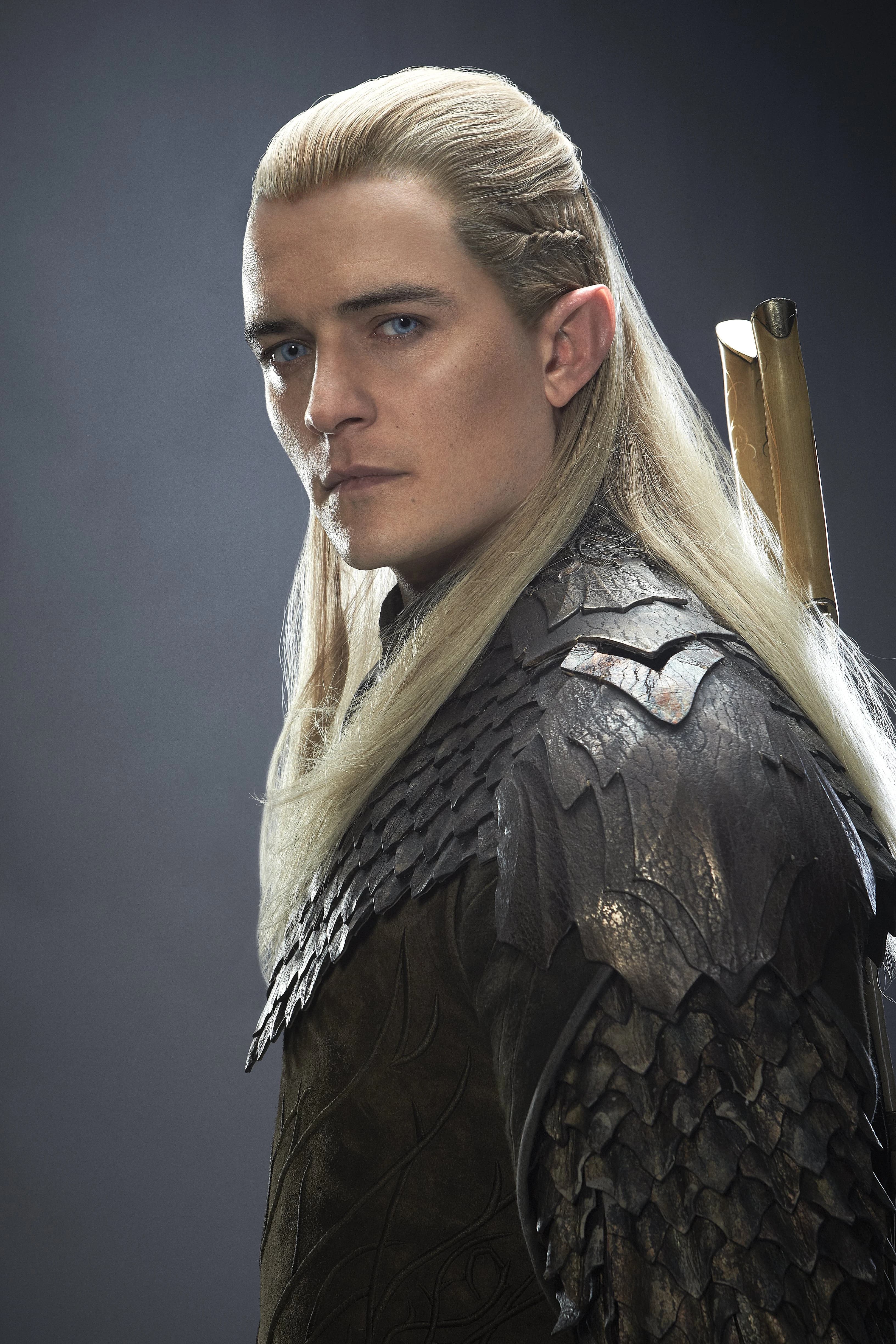 Character
Legolas Greenleaf
Son of Thranduil and the Elven archer of the Fellowship, whose friendship with Gimli breaks an old estrangement.
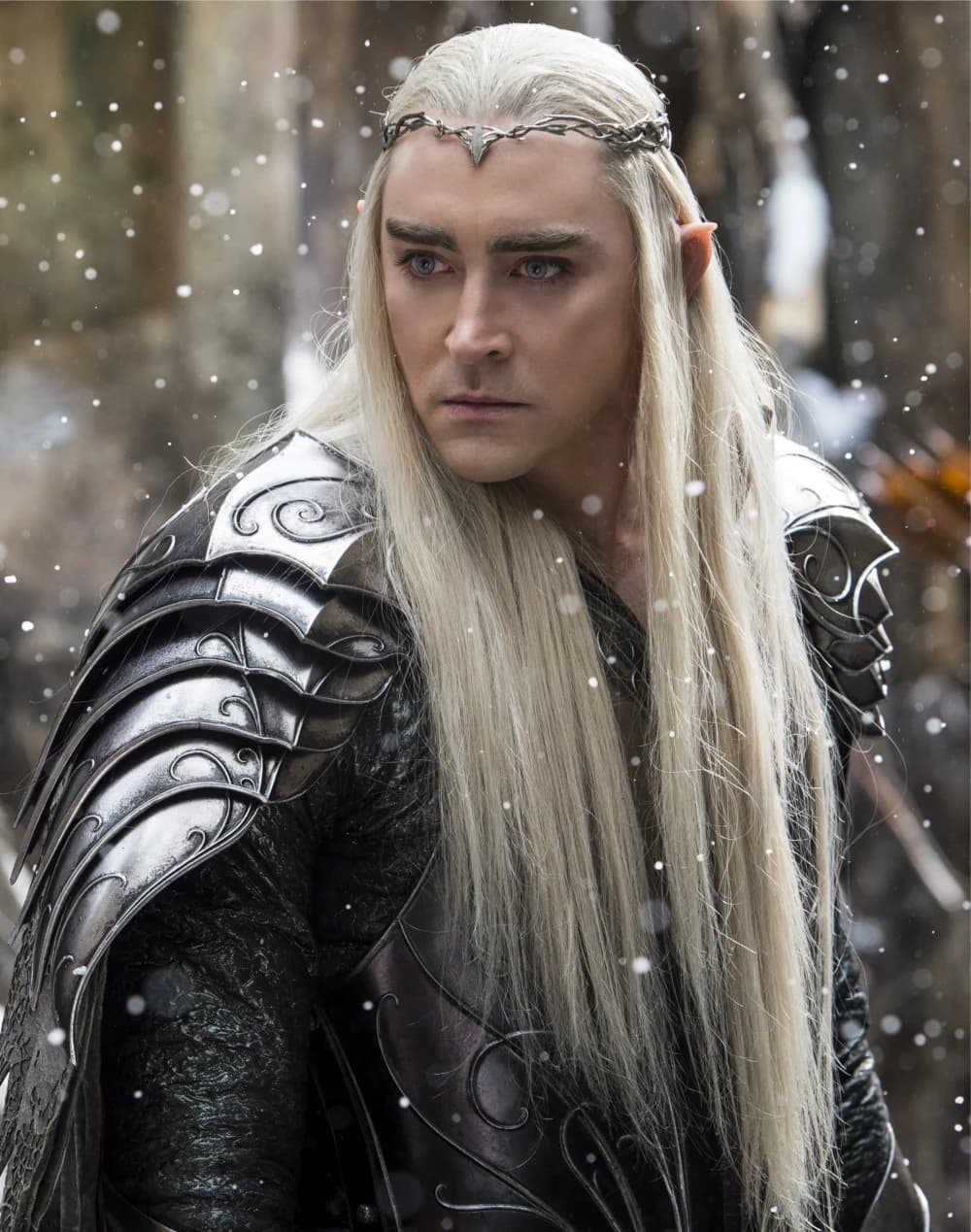 Character
Thranduil
King of the Woodland Realm and father of Legolas, who imprisoned Thorin’s company and later fought at Five Armies.
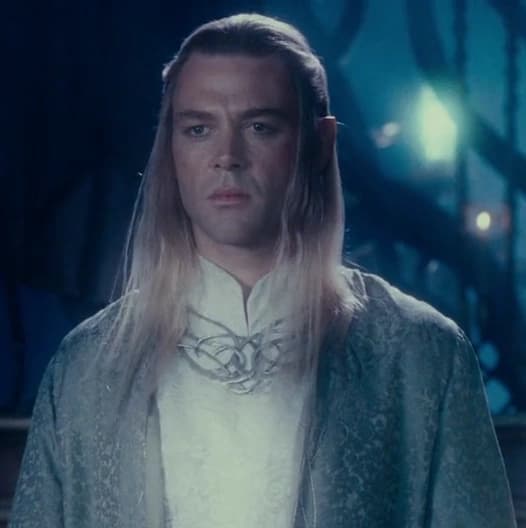 Character
Celeborn
Lord of Lothlórien, husband of Galadriel, and a Sindarin prince of Doriath.
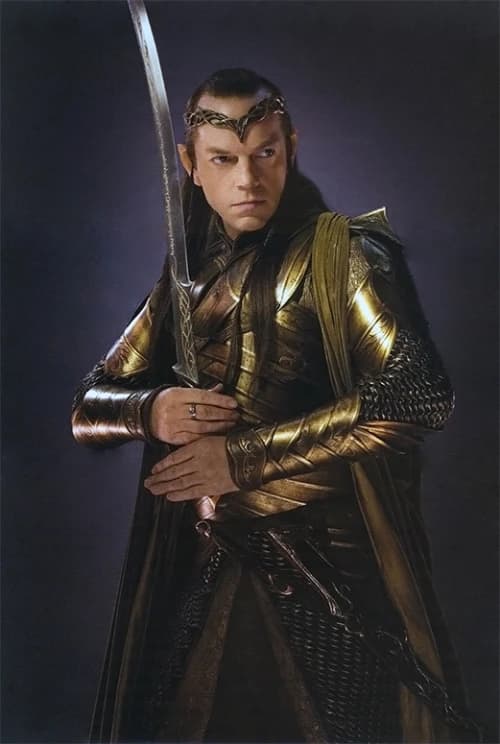 Character
Elrond
Lord of Rivendell, keeper of the Elven-ring Vilya, loremaster and healer, and foster-father of Aragorn.
Sources
The Silmarillion · 1977
Posthumously edited. Contains the Ainulindalë, Valaquenta, Quenta Silmarillion, Akallabêth and Of the Rings of Power.
Unfinished Tales · 1980
Expanded and alternative accounts of the First, Second and Third Ages.
Beren and Lúthien · 2017
Multiple versions of the tale, showing how the story evolved.
Related entries
 People
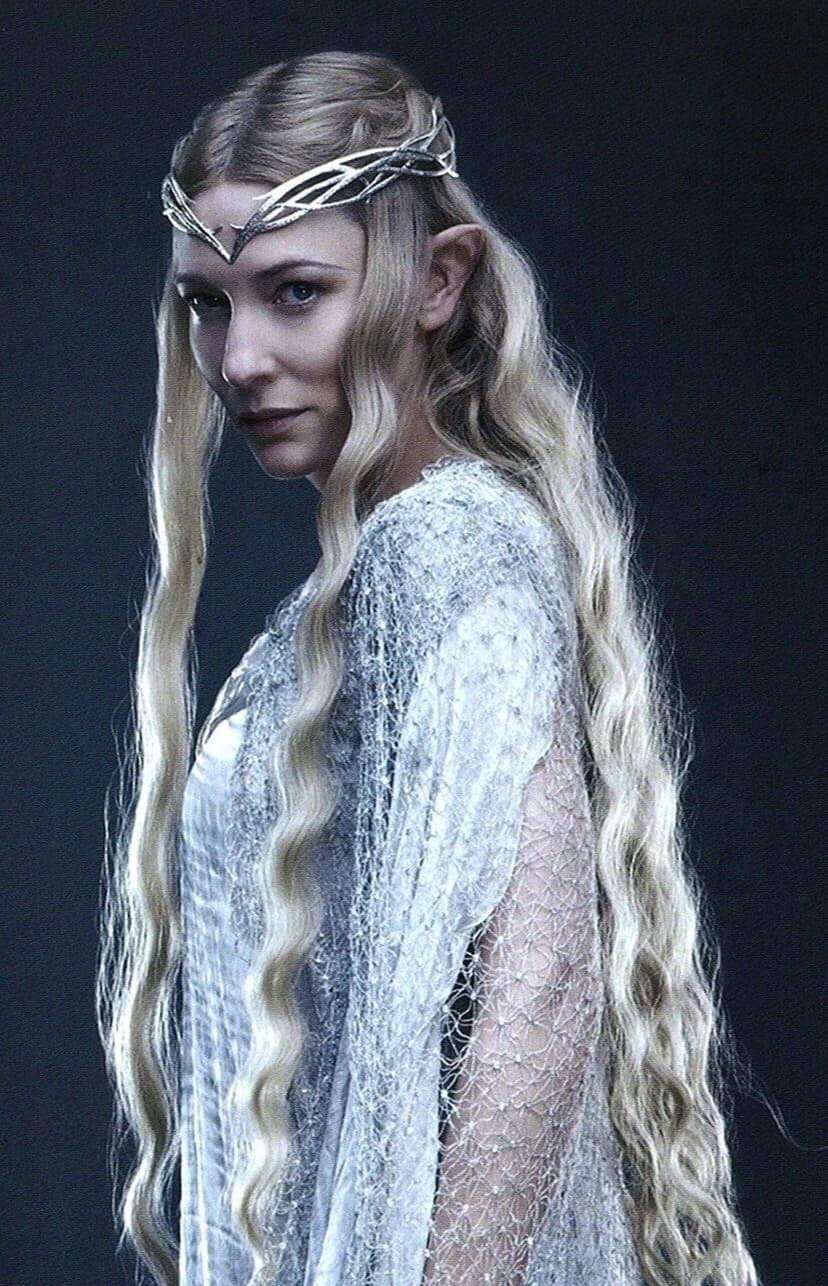
Elves
The Firstborn Children of Ilúvatar, deathless and beautiful, whose long history spans the awakening at Cuiviénen, the wars of Beleriand and the slow fading of the Third Age.
PeopleNoldor
The second great kindred of the Eldar, master craftsmen and lore-masters, whose exile and wars against Morgoth shaped the whole history of the First Age.
 People
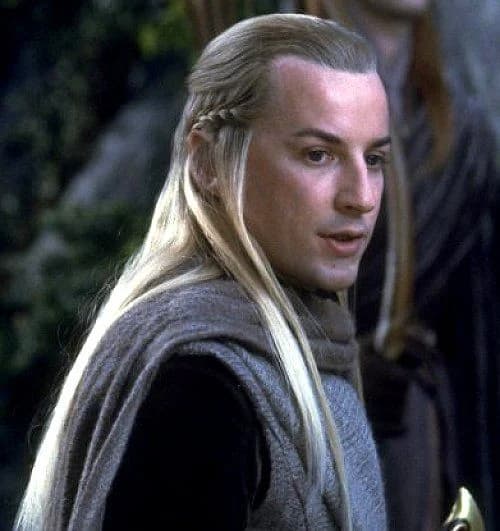
Silvan Elves
The woodland Elves of Mirkwood and Lothlórien, largely of Nandorin descent, who loved the forests and never journeyed to the West.
 Location
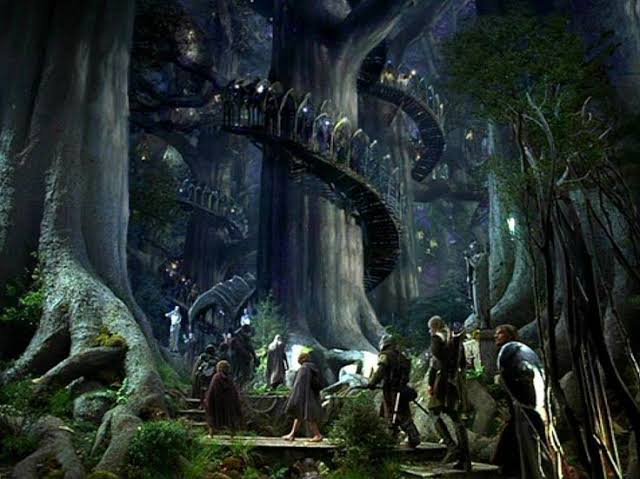
Lothlórien
The golden Elven realm of Galadriel and Celeborn, preserved outside ordinary time by the ring Nenya.