What this is
In brief
Origins
The Noldor were the second kindred to journey to Aman, led by Finwë. They learned much from Aulë and became the most skilled of the Eldar in smithcraft and lore. Fëanor’s pride and the theft of the Silmarils drove a great part of them back to Middle-earth in exile.
Culture
A proud, inventive and learned people, devoted to craft, language and the making of beautiful things. Their smiths created the palantíri and, under Celebrimbor, the Rings of Power. The oath and the kinslaying darkened their reputation, and their history is one of brilliance shadowed by grief.
Language
Quenya, the ancient speech of the Noldor, and later Sindarin in Middle-earth.
History
From Valinor the exiled Noldor returned to Beleriand, raised the Siege of Angband, and built the hidden kingdoms of Gondolin and Nargothrond. They suffered defeat in the Dagor Bragollach and the Nirnaeth Arnoediad, and their realms fell one by one. Survivors remained in Middle-earth and founded Eregion and later Rivendell and Lothlórien’s noble houses; Gil-galad was their last great king.
Leaders
Feanor
Fingolfin
Turgon
Gil Galad
Celebrimbor
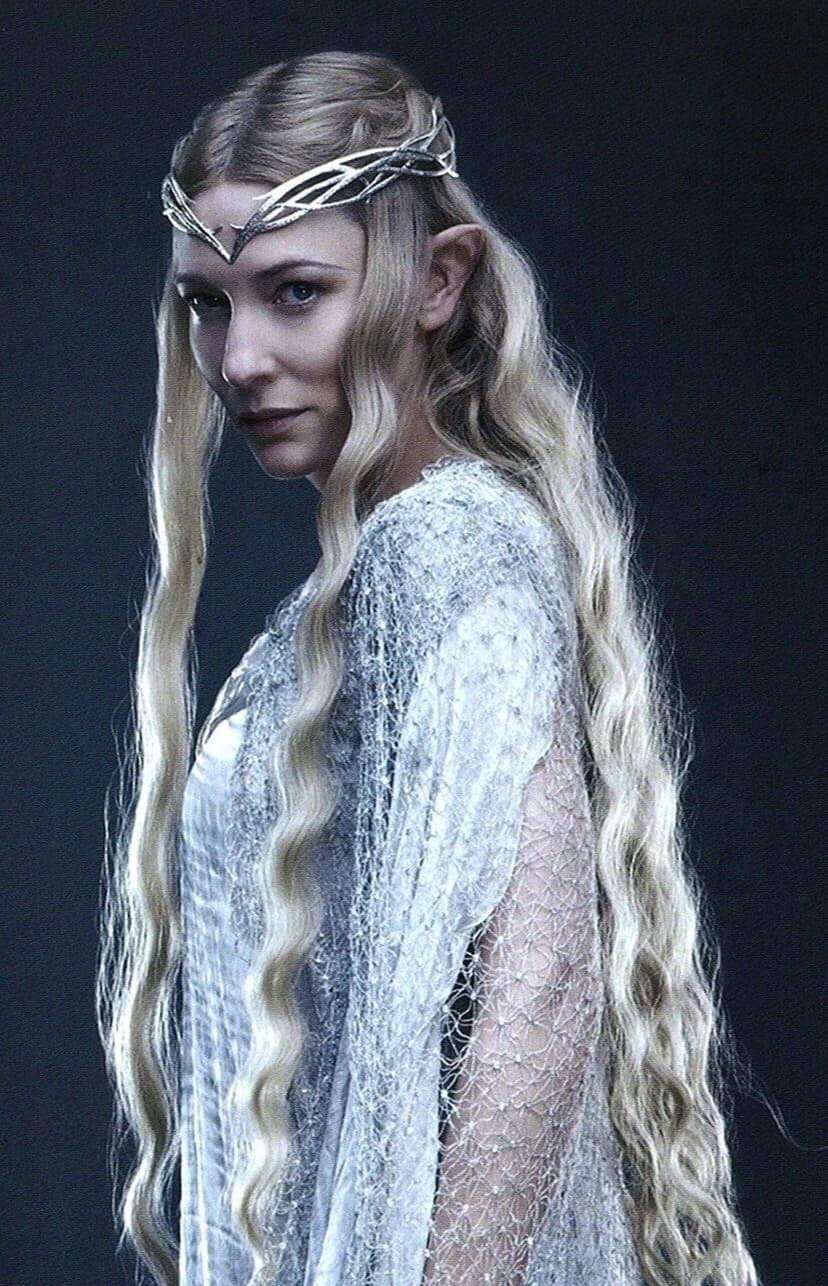 Galadriel
Settlements
- gondolin
- nargothrond
- eregion
- rivendell
- grey-havens
Alliances
- sindar
- silvan-elves
- men
- dunedain
Conflicts
- war-of-the-jewels
- kinslaying
- fall-of-gondolin
Notable members
CharacterGaladriel
An Elven-queen of the Noldor, wielder of Nenya, and one of the wisest and most powerful figures remaining in Middle-earth.
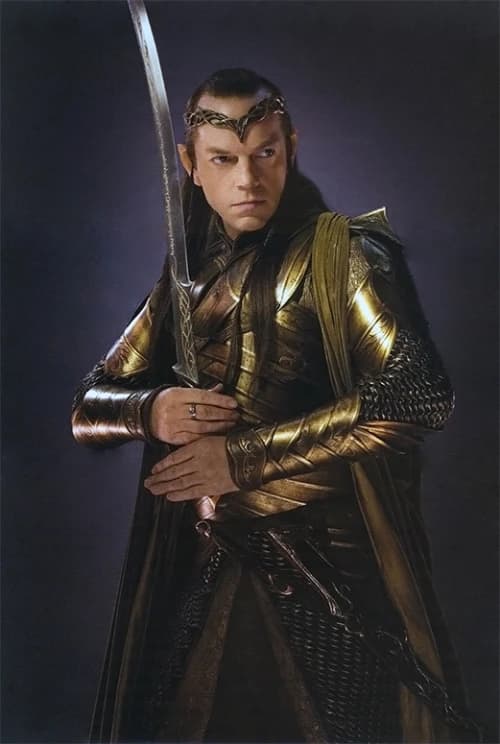 Character
Elrond
Lord of Rivendell, keeper of the Elven-ring Vilya, loremaster and healer, and foster-father of Aragorn.
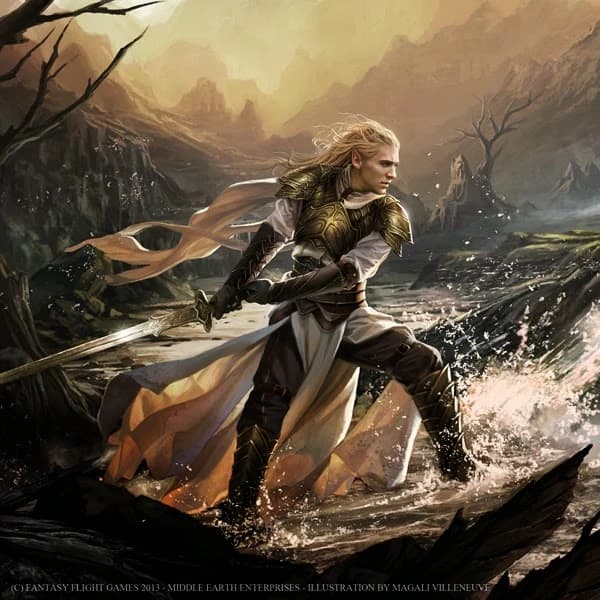 Character
Glorfindel
A mighty Elf-lord of Rivendell and, in the First Age, a hero who fell fighting a Balrog.
Sources
The Silmarillion · 1977
Posthumously edited. Contains the Ainulindalë, Valaquenta, Quenta Silmarillion, Akallabêth and Of the Rings of Power.
Unfinished Tales · 1980
Expanded and alternative accounts of the First, Second and Third Ages.
The History of Middle-earth · 1983–96
Twelve volumes documenting the evolution of the legendarium.
Related entries
PeopleElves
The Firstborn Children of Ilúvatar, deathless and beautiful, whose long history spans the awakening at Cuiviénen, the wars of Beleriand and the slow fading of the Third Age.
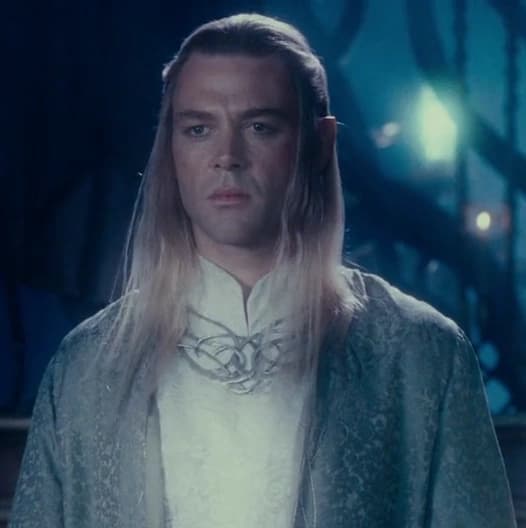 People
Sindar
The Grey Elves of Beleriand, the great kindred who remained in Middle-earth under Thingol and Melian and whose tongue became the common Elvish speech of later ages.
 People
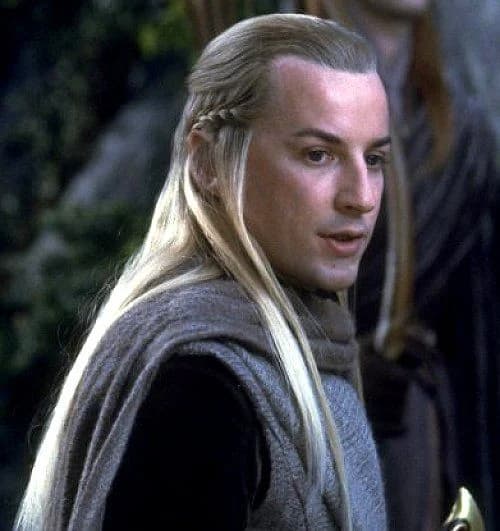
Silvan Elves
The woodland Elves of Mirkwood and Lothlórien, largely of Nandorin descent, who loved the forests and never journeyed to the West.
 Location
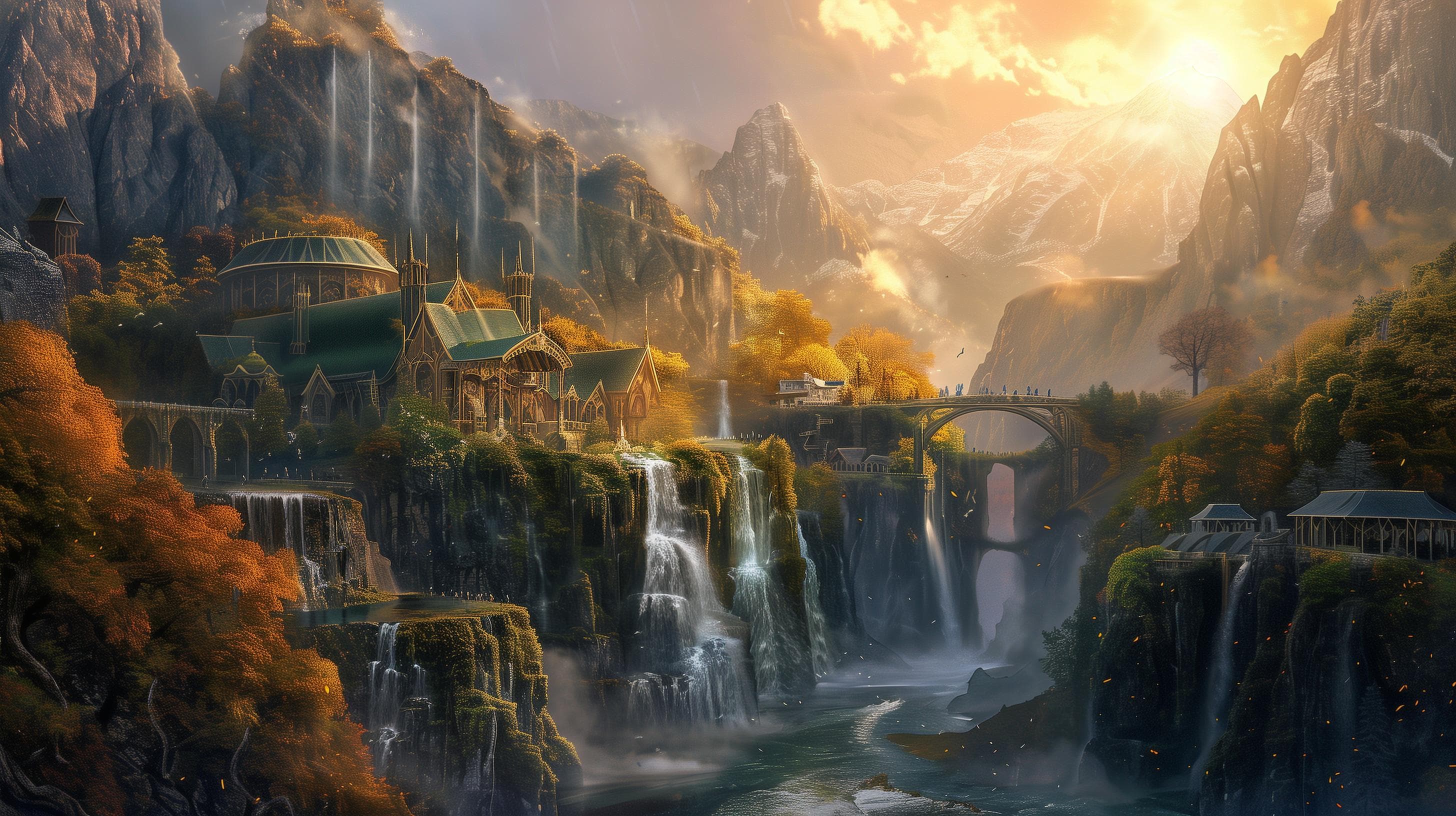
Rivendell
Elrond’s refuge in a hidden valley below the Misty Mountains, a haven of lore, healing and counsel.