Overview
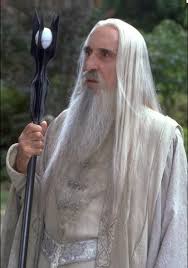
Saruman is the great cautionary tale of the story: gifted, learned and trusted, he falls through pride and the desire to master the very evil he studies. His voice alone can nearly unbind a listener’s will.
Biography
The chief Wizard
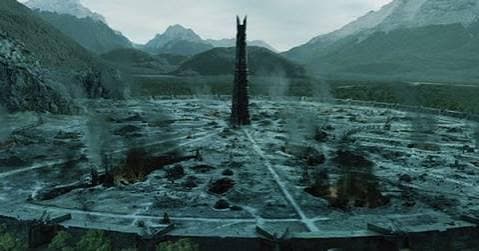
Saruman was chosen first of the Istari and was long the head of the White Council. He made Orthanc his seat and studied the Rings deeply.
The turn
Using the palantír of Orthanc, he was ensnared by Sauron and drifted into open treachery, breeding Uruk-hai and despoiling Fangorn.
Fall
He broke the Alliance at Helm’s Deep, was cast out by the Ents, and lost his staff and authority to Gandalf. He fled to the Shire and was murdered by Gríma.
Character
Personality
- Brilliant
- Proud
- Jealous
- Persuasive
- Contemptuous of the weak
- To master the lore of the Rings
- To rule, or at least choose the winning side
Abilities & limits
Strengths
- A voice of near-magic persuasion
- Ring-lore and craft
- Command of Isengard’s industry
Limitations
- Pride and envy
- Has no Ring of his own
- Underestimates humility and friendship
Deeds
- Cast down Dol Guldur (in council with others)
- Betrayed the White Council
- Bred the Uruk-hai
- Was overthrown at Isengard
Relationships
Places
In the histories
Artifacts
 Artifact
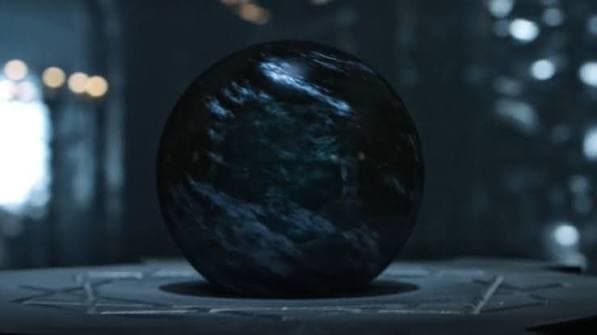
The Palantiri
Seven great seeing-stones made in the Elder Days, brought to Middle-earth by the Numenoreans. Powerful, difficult and easily turned to evil, they play a decisive part in the War of the Ring.
 Artifact
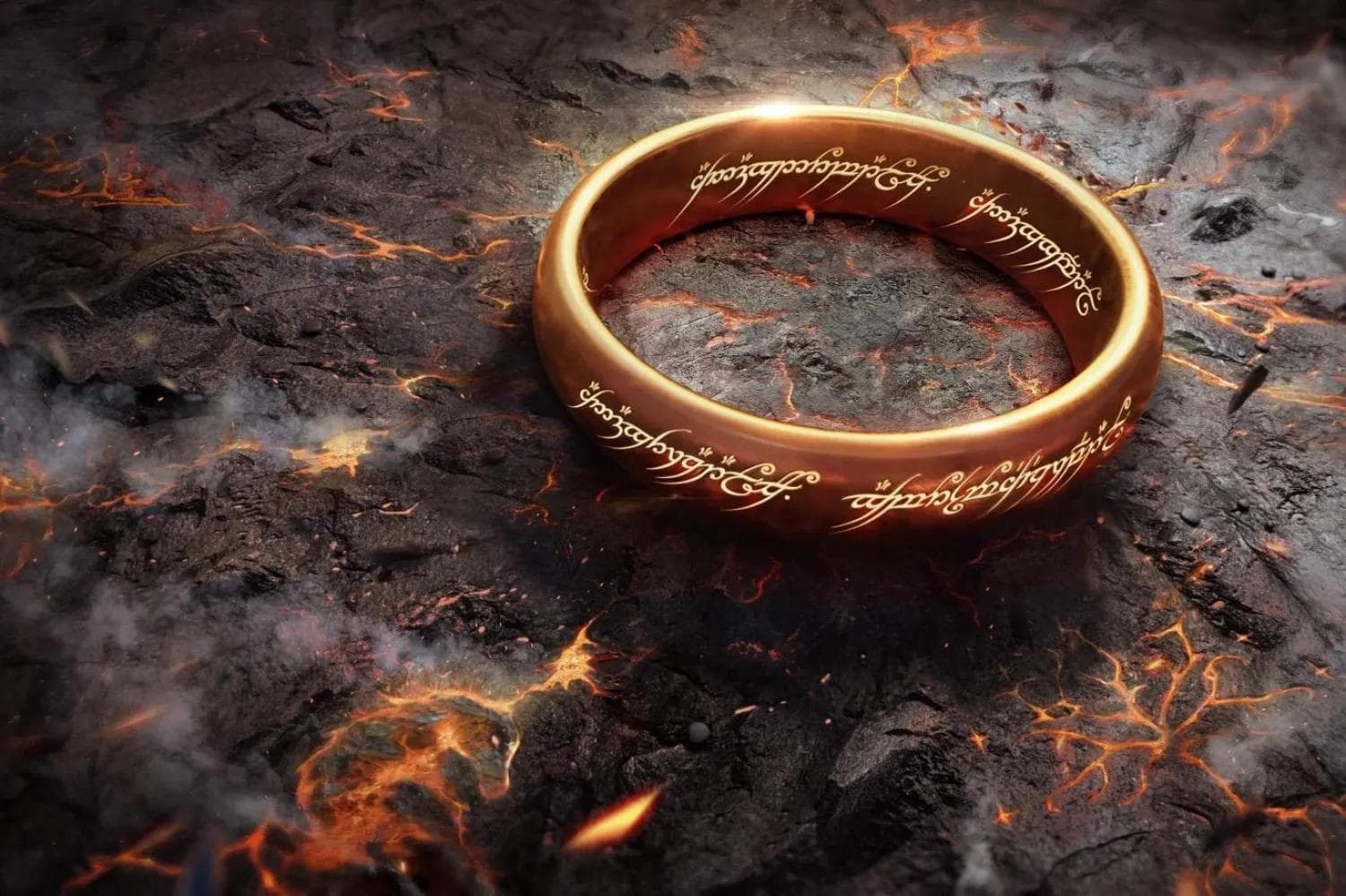
The One Ring
Sauron's master-ring, forged in secret to dominate the other Rings of Power and their bearers. Its passage through Middle-earth drives the central drama of The Lord of the Rings.
In adaptation
Adaptation note
- Peter Jackson gives Saruman a more visually spectacular death at Isengard; the book has him flee to the Shire and be killed there.
Quotations
“We have only to remove those who oppose us.”
— The Fellowship of the Ring, “The Council of Elrond”
Sources
The Lord of the Rings · 1954–55
Three volumes: The Fellowship of the Ring, The Two Towers, The Return of the King.
The Silmarillion · 1977
Posthumously edited. Contains the Ainulindalë, Valaquenta, Quenta Silmarillion, Akallabêth and Of the Rings of Power.
Unfinished Tales · 1980
Expanded and alternative accounts of the First, Second and Third Ages.
Related entries
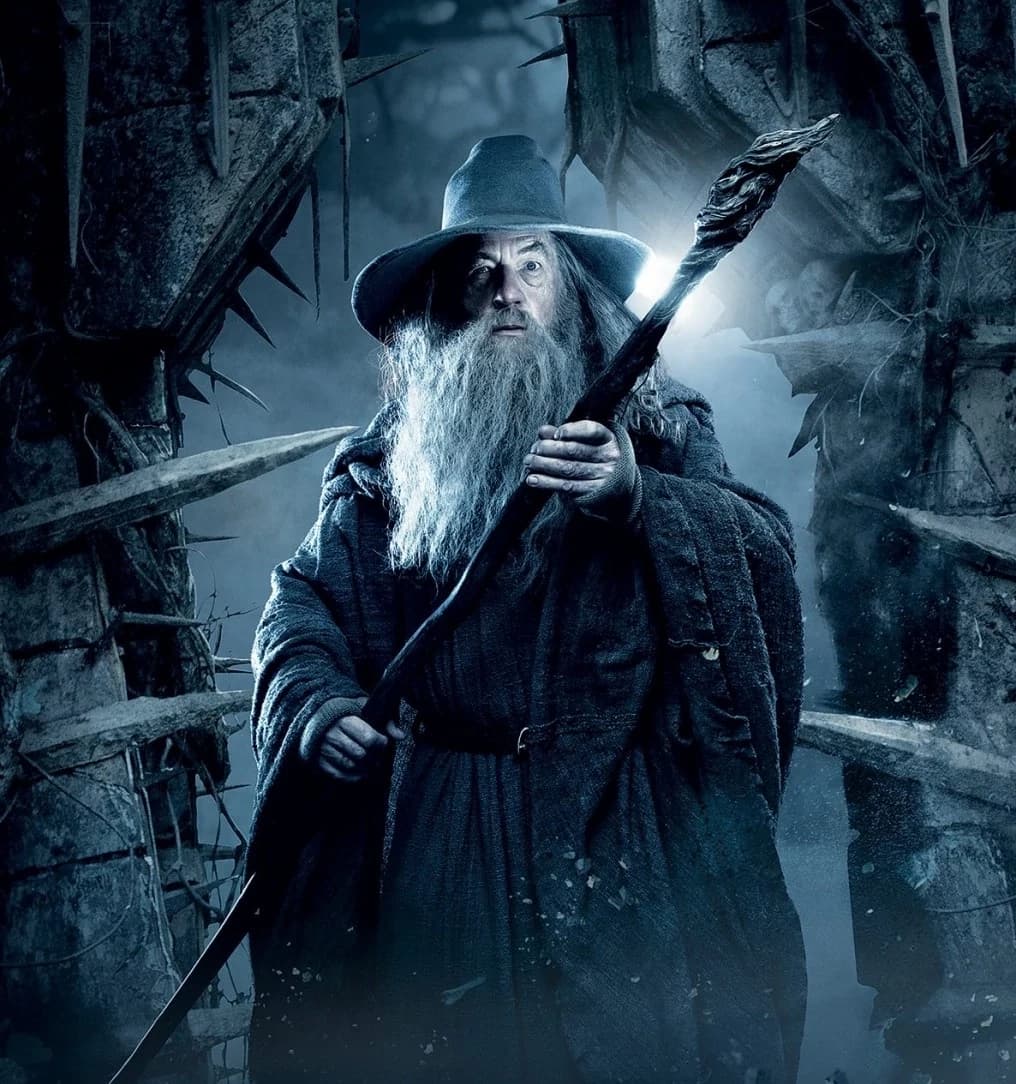 Character
Gandalf
A Wizard of the Istari, keeper of the Elven-ring Narya, and the chief architect of the resistance to Sauron.
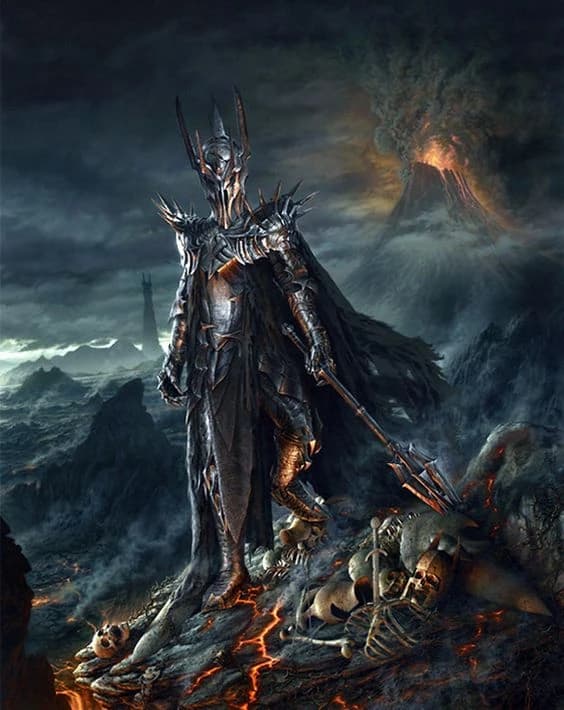 Character
Sauron
A Maia and former lieutenant of Morgoth, forger of the One Ring and the central antagonist of The Lord of the Rings.
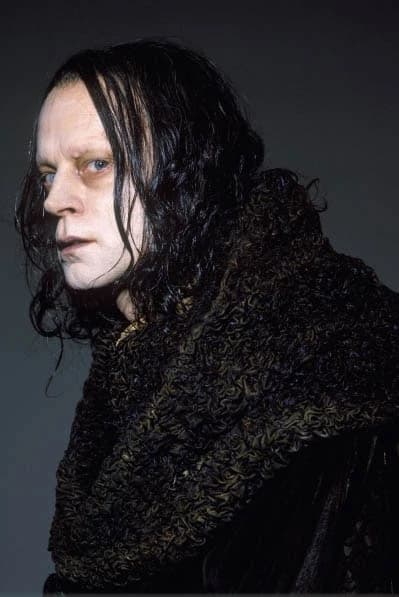 Character
Gríma Wormtongue
Théoden’s treacherous counsellor, secretly in Saruman’s service.