What this is
In brief
Origins
The Istari were Maiar of the Valar, sent about T.A. 1000 by the Valar, at the prompting of Manwë and with Eru’s sanction, to contest Sauron by counsel rather than by force. Saruman the White, Gandalf the Grey, Radagast the Brown and the two Blue Wizards (Alatar and Pallando) came to Middle-earth; their true names and natures were hidden.
Culture
Bound in the bodies of elderly Men, the Istari were forbidden to dominate others by power or fear, and were commanded to persuade and to inspire. They wielded subtle arts, kept counsel and travelled widely, but their mission was fragile against pride and weariness.
Language
They spoke the tongues of the peoples they served, including Westron and Elvish.
History
For a thousand years the Wizards worked against the Shadow. Saruman, chief of the order, grew proud, studied the Enemy’s craft and fell, becoming a tyrant of Isengard. Gandalf remained true, helped to found the White Council, and was reborn as the White after Moria, guiding the free peoples to the fall of Sauron. Radagast served the beasts and birds; the Blue Wizards went into the East and their fates are debated.
Leaders
Settlements
- isengard
- rosgobel
Alliances
- the-white-council
- the-fellowship-of-the-ring
- elves
- men
Conflicts
- war-of-the-ring
- council-of-elrond
Notable members
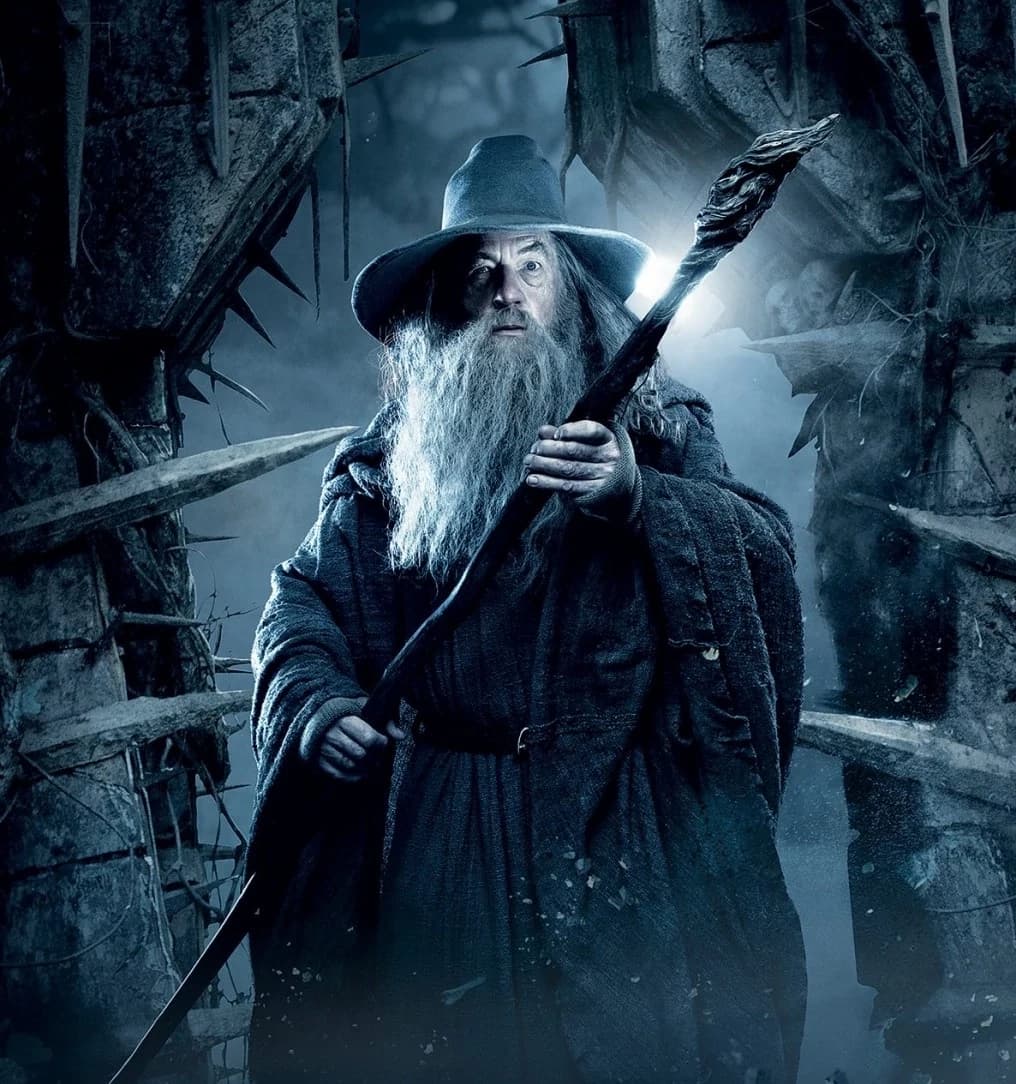 Character
Gandalf
A Wizard of the Istari, keeper of the Elven-ring Narya, and the chief architect of the resistance to Sauron.
 Character
Saruman
The chief of the Wizards, whose study of Sauron’s power corrupted him into a would-be rival lord.
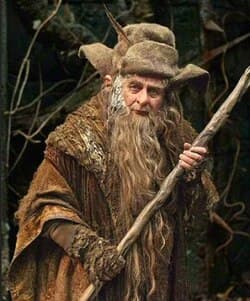 Character
Radagast
A Wizard devoted to beasts and birds, who served as a watcher of the wilds rather than a power in councils.
 Character
Alatar
One of the two Blue Wizards who journeyed into the East and of whose fates little is known.
 Character
Pallando
One of the two Blue Wizards, companion of Alatar in the East.
Sources
The Lord of the Rings · 1954–55
Three volumes: The Fellowship of the Ring, The Two Towers, The Return of the King.
The Silmarillion · 1977
Posthumously edited. Contains the Ainulindalë, Valaquenta, Quenta Silmarillion, Akallabêth and Of the Rings of Power.
Unfinished Tales · 1980
Expanded and alternative accounts of the First, Second and Third Ages.
The Letters of J.R.R. Tolkien · 1981
Authorial commentary useful for interpretation, but not always narrative canon.
Related entries
PeopleThe White Council
The assembly of the great loremasters and rulers of the West, led by Saruman and including Gandalf, Elrond and Galadriel, formed to oppose Sauron.
 Location
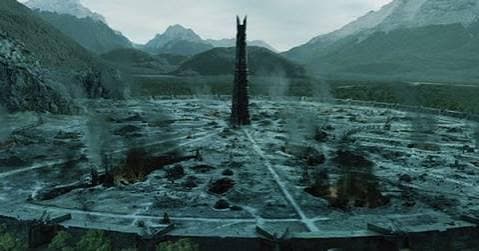
Isengard
Saruman’s fortress at the southern end of the Misty Mountains, ruined by the Ents in the War of the Ring.
CharacterGandalf
A Wizard of the Istari, keeper of the Elven-ring Narya, and the chief architect of the resistance to Sauron.
CharacterSaruman
The chief of the Wizards, whose study of Sauron’s power corrupted him into a would-be rival lord.