What this is
In brief
Origins
The White Council grew out of the earlier Council of the Wise, the order of the Istari and the chief Eldar and Dúnedain who watched for Sauron’s return. Saruman was appointed its head, though Galadriel wished Gandalf to lead it.
Culture
A body of lore and counsel rather than a state, meeting rarely and acting slowly. Its debates turned on the Rings of Power, the Necromancer of Dol Guldur and the danger of assaulting the Enemy before the time was ripe.
Language
Sindarin, Quenya and Westron among its members.
History
The Council met when the Necromancer was discovered in Dol Guldur but Saruman dissuaded attack, hoping to find the One Ring himself. Only in T.A. 2941 did the Council, led by Saruman and prompted by Gandalf, drive Sauron from Dol Guldur — a victory that proved hollow, as Sauron had already planned to return to Mordor. After Saruman’s treachery the Council effectively ceased.
Leaders
Settlements
- rivendell
- lothlorien
- isengard
Alliances
- elves
- gondor
- arnor
Conflicts
- war-of-the-ring
- battle-of-dol-guldur
Notable members
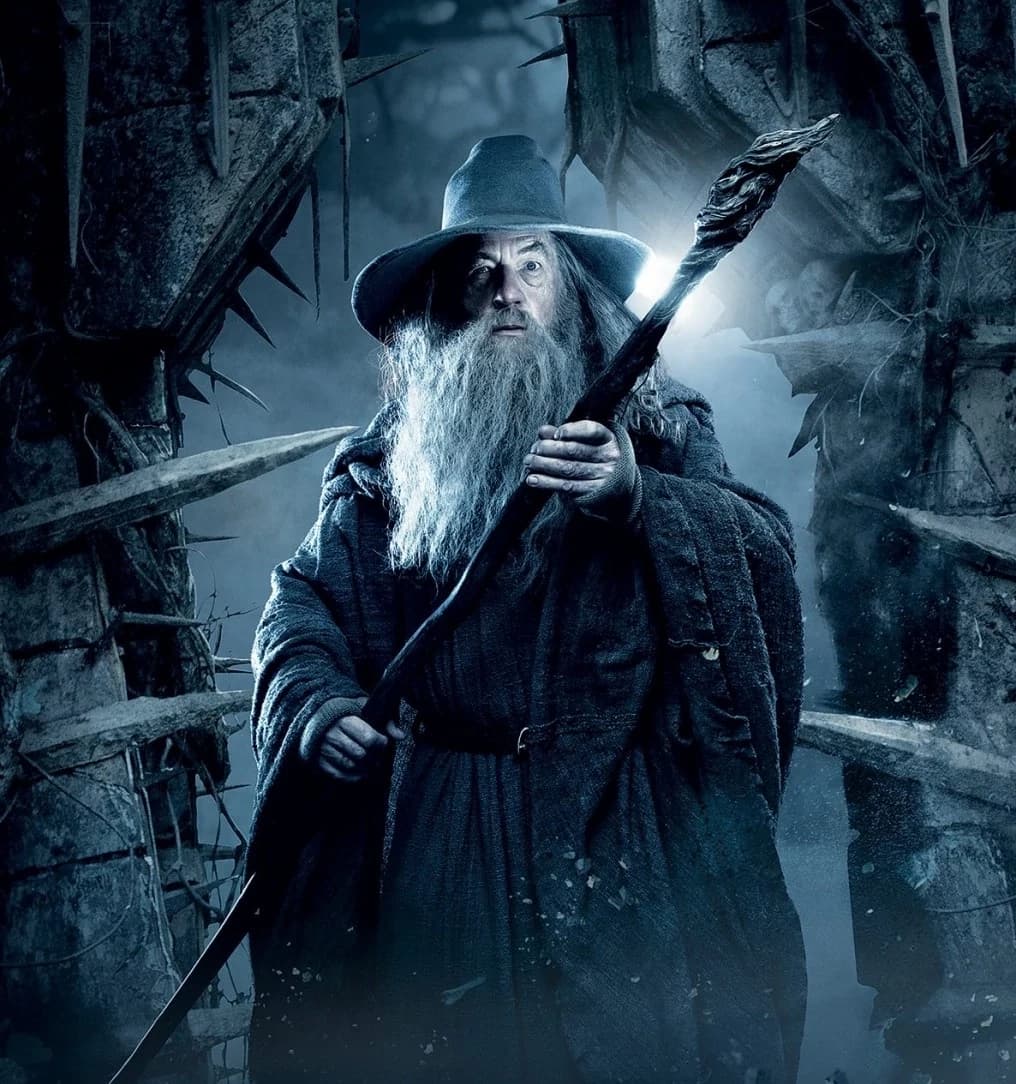 Character
Gandalf
A Wizard of the Istari, keeper of the Elven-ring Narya, and the chief architect of the resistance to Sauron.
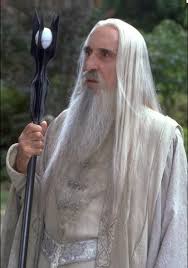 Character
Saruman
The chief of the Wizards, whose study of Sauron’s power corrupted him into a would-be rival lord.
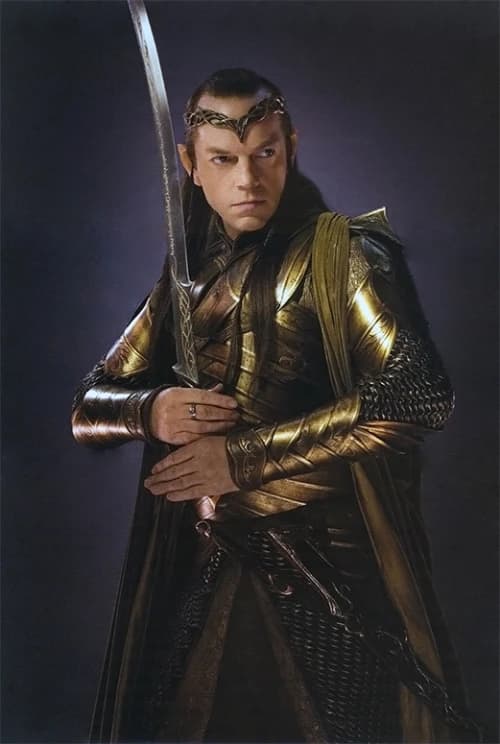 Character
Elrond
Lord of Rivendell, keeper of the Elven-ring Vilya, loremaster and healer, and foster-father of Aragorn.
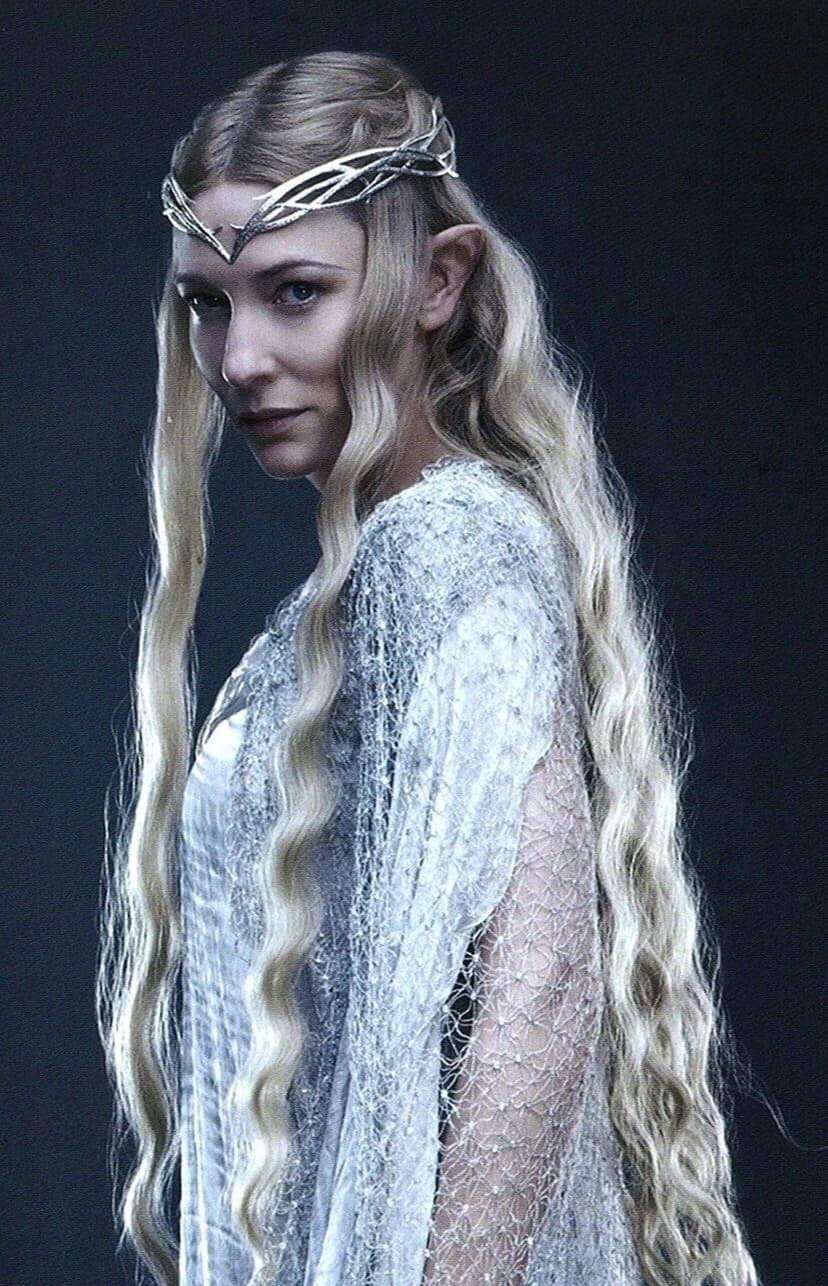 Character
Galadriel
An Elven-queen of the Noldor, wielder of Nenya, and one of the wisest and most powerful figures remaining in Middle-earth.
Sources
The Lord of the Rings · 1954–55
Three volumes: The Fellowship of the Ring, The Two Towers, The Return of the King.
The Silmarillion · 1977
Posthumously edited. Contains the Ainulindalë, Valaquenta, Quenta Silmarillion, Akallabêth and Of the Rings of Power.
Unfinished Tales · 1980
Expanded and alternative accounts of the First, Second and Third Ages.
Related entries
PeopleIstari
The five Wizards sent from the West in the guise of old men to move the free peoples against Sauron, of whom only Gandalf remained faithful to the end.
 Location
Rivendell
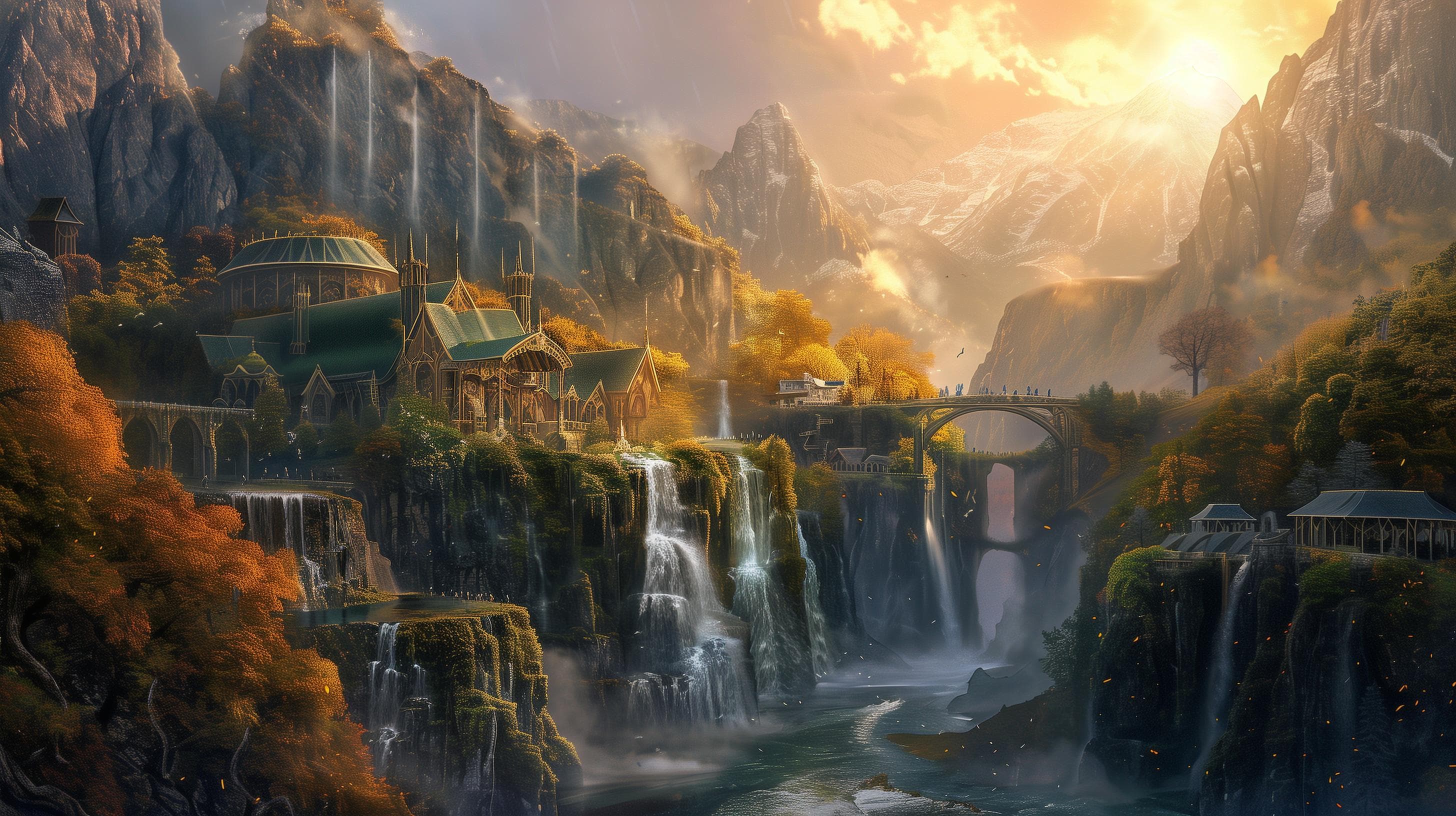
Elrond’s refuge in a hidden valley below the Misty Mountains, a haven of lore, healing and counsel.
 Location
Lothlórien
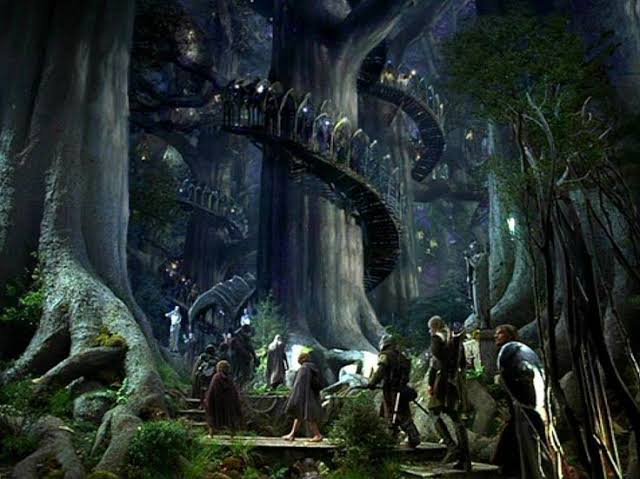
The golden Elven realm of Galadriel and Celeborn, preserved outside ordinary time by the ring Nenya.
 Location
Isengard
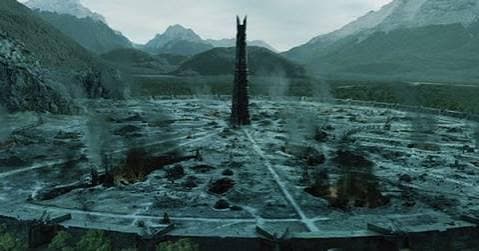
Saruman’s fortress at the southern end of the Misty Mountains, ruined by the Ents in the War of the Ring.