Description
The Morgul-blade is the weapon of the Nazgul, and its power is not the cut but what the cut leaves behind. When the Witch-king stabs Frodo at Weathertop, the blade breaks and a sliver remains in the wound, working its way inward and pulling the victim toward the wraith-world and into the Ringwraiths control. The wound cannot be healed by ordinary means and defeats even Elrond and Gandalf until Frodo is carried across the Ford and into Rivendell. It is a precisely designed instrument of slow, terrorizing corruption, the opposite of a clean weapon.
Powers
- Leaves a fragment that burrows toward the heart, turning the wound into a mortal, spreading chill.
- Pulls the victim toward wraithdom and makes them vulnerable to the Nazgul.
- Inflicts a lasting cold sickness that ordinary medicine cannot touch.
Limitations
- The blade shatters when it strikes, so it can be used only once in that way.
- The damage it does is slow and can be countered by strong Elvish healing and by the phial of Galadriel.
Line of owners
- 1
The Witch-king of Angmar
Third Age
Used at the attack on Weathertop against Frodo.
- 2
Frodo Baggins (as a wound)
T.A. 3018
Carries the fragment in his shoulder from Weathertop until it is removed at Rivendell.
Symbolism
Symbolism
The power of fear and slow corruption, and the way evil can work by patience rather than force. Frodo carries the mark of it long after the wound itself is treated.
Fate
The blade was broken at Weathertop; its surviving hilt and sheath remain as relics of the attack. The fragment in Frodo shoulder was found and removed at Rivendell.
Characters
In the histories
Sources
The Lord of the Rings · 1954–55
Three volumes: The Fellowship of the Ring, The Two Towers, The Return of the King.
The Silmarillion · 1977
Posthumously edited. Contains the Ainulindalë, Valaquenta, Quenta Silmarillion, Akallabêth and Of the Rings of Power.
Unfinished Tales · 1980
Expanded and alternative accounts of the First, Second and Third Ages.
Related entries
 Artifact
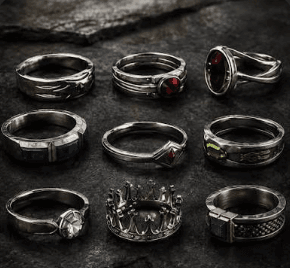
The Nine Rings of Men
The nine Rings given to mortal lords, whose wearers were stretched into unending life and became the Ringwraiths, the Nazgul, Sauron most terrible servants.
 Artifact
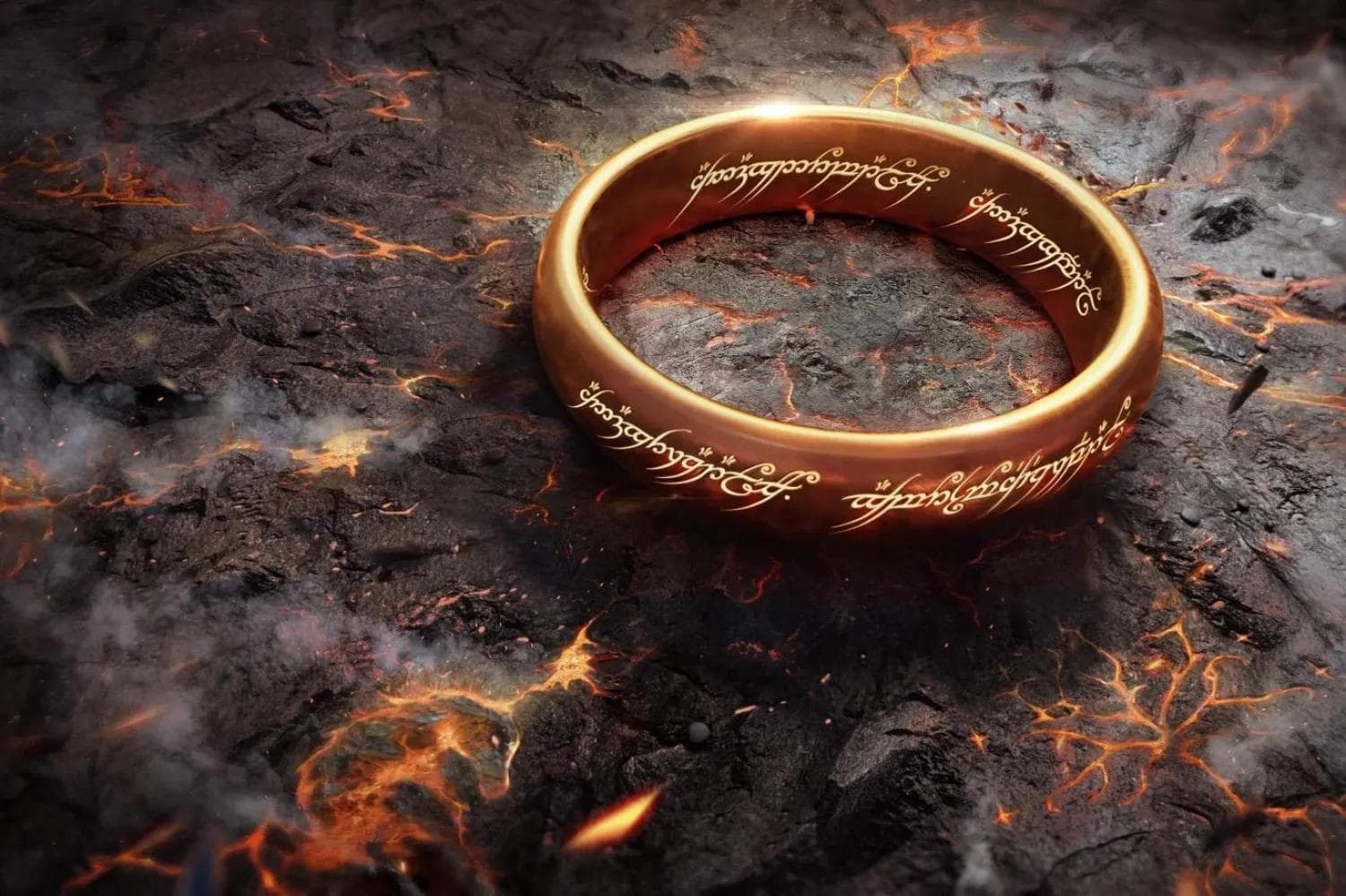
The One Ring
Sauron's master-ring, forged in secret to dominate the other Rings of Power and their bearers. Its passage through Middle-earth drives the central drama of The Lord of the Rings.
 Artifact
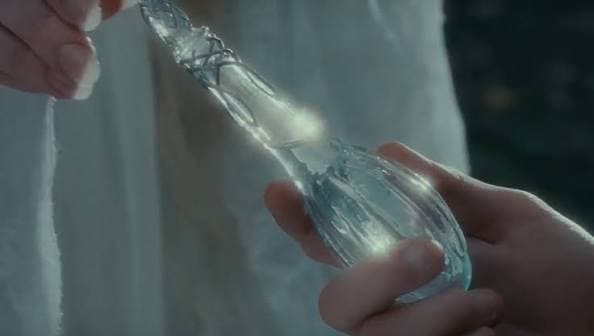
The Phial of Galadriel
A small crystal phial that holds the light of Earendil star, drawn from Galadriel mirror. In the darkest places of Mordor it becomes a light of hope and a defense against Shelob.