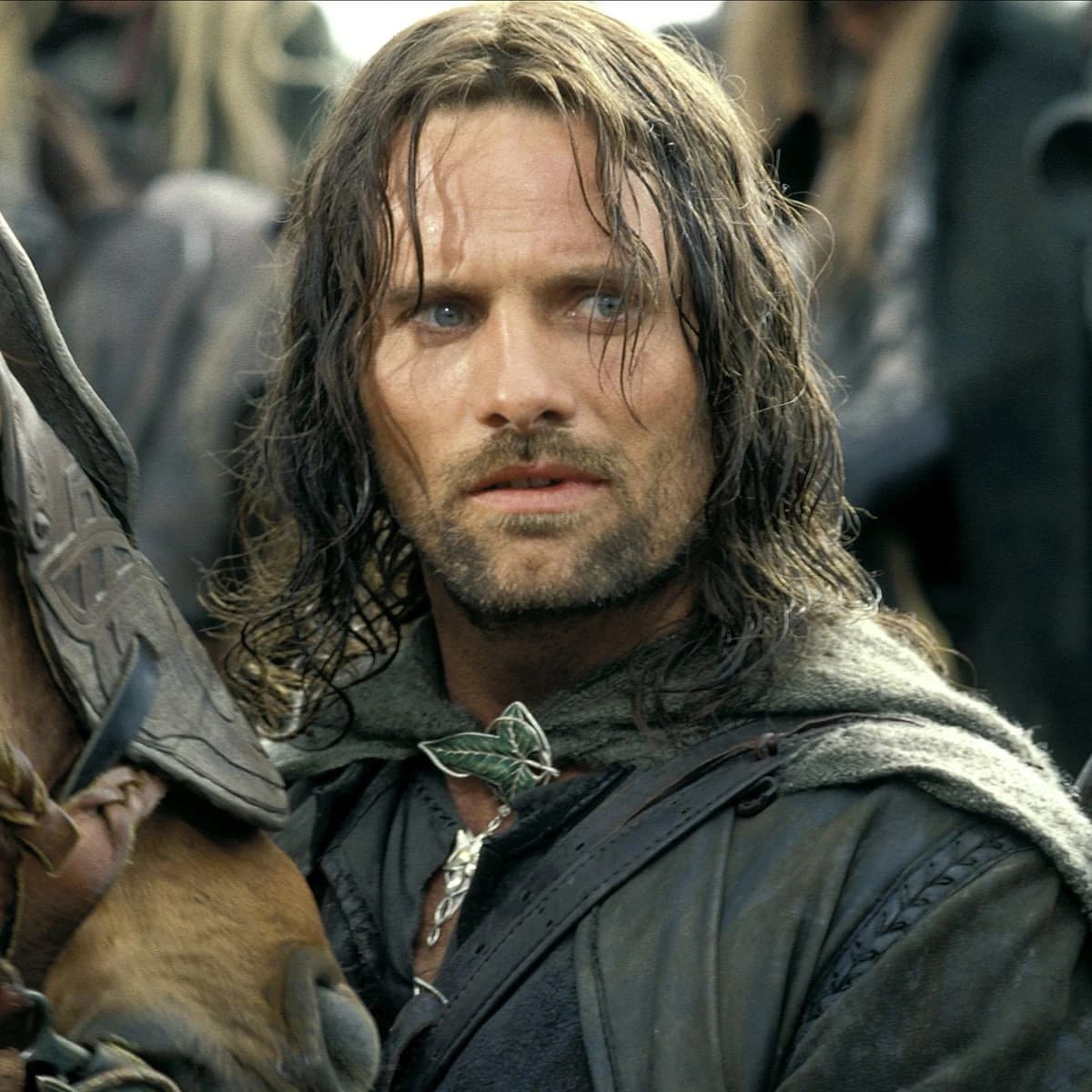
Overview
Aragorn is the rightful heir of Elendil’s line, a Ranger of the North whose kingship is earned rather than inherited. He embodies the theme of kingship as service: a healer as well as a warrior, whose claim rests on lineage, deeds and the willingness to walk the hardest roads first.
- Ancestry
- Son of Arathorn II and Gilraen; descended from Isildur and, before him, from Elros Tar-Minyatur and the House of Hador, and through Lúthien from the union of Elf and Man. Also kin to Elrond’s house through Elros, and through marriage to Arwen.
Biography
Hidden heir
Aragorn son of Arathorn was born in T.A. 2931. After his father’s death he was taken to Rivendell, where Elrond raised him as Estel, concealing his ancestry for his protection. His mother Gilraen later died of grief and weariness.
Thorongil and the long service
As a young man he took the name Thorongil and served King Thengel of Rohan and Ecthelion II of Gondor, leading the raid that burned the Corsair fleet at Umbar. He then guarded the borders of the Shire as a Ranger of the North.
The War of the Ring
Aragorn joined Frodo at Bree, guided the Fellowship through Moria and Lórien, and after the breaking at Amon Hen pursued the captive hobbits across Rohan. He returned as a lord of war: commanding the defence of Helm’s Deep, walking the Paths of the Dead to summon the Oathbreakers, and leading the assault at the Pelennor and the Black Gate.
King Elessar
After Sauron’s fall he was crowned in Minas Tirith, took the name Elessar, and married Arwen. He ruled the Reunited Kingdom in wisdom and raised the standard of the King over lands long lost, and at the end of a long reign he laid down his life willingly.
Arc & development
Character
Personality
- Humble despite his lineage
- Enduring
- Perceptive
- Compassionate
- Capable of ruthlessness in war
- A healer by tradition
Fears
- The weakness of Isildur recurring in himself
- The temptation of the Ring
- Failure of the West
- To reclaim and reunify the kingdoms of the Dúnedain
- To protect others regardless of station
- To be worthy of Arwen
Abilities & limits
Strengths
- Master of arms and leadership
- Ranger-craft, tracking and healing
- Command of the Dead through his rightful kingship
- Use of the palantír
- Long life and physical endurance as a Dúnadan
Limitations
- Mortal and eventually diminished
- Not immune to pride or the lure of the Ring
- His claim is contested by Denethor and others
Deeds
- Served under a false name in Rohan and Gondor
- Guided the Fellowship to Lórien
- Defended Helm’s Deep
- Walked the Paths of the Dead and gathered the Oathbreakers
- Led the charge at the Pelennor Fields
- Commanded at the Black Gate
- Was crowned King Elessar
Relationships
Places
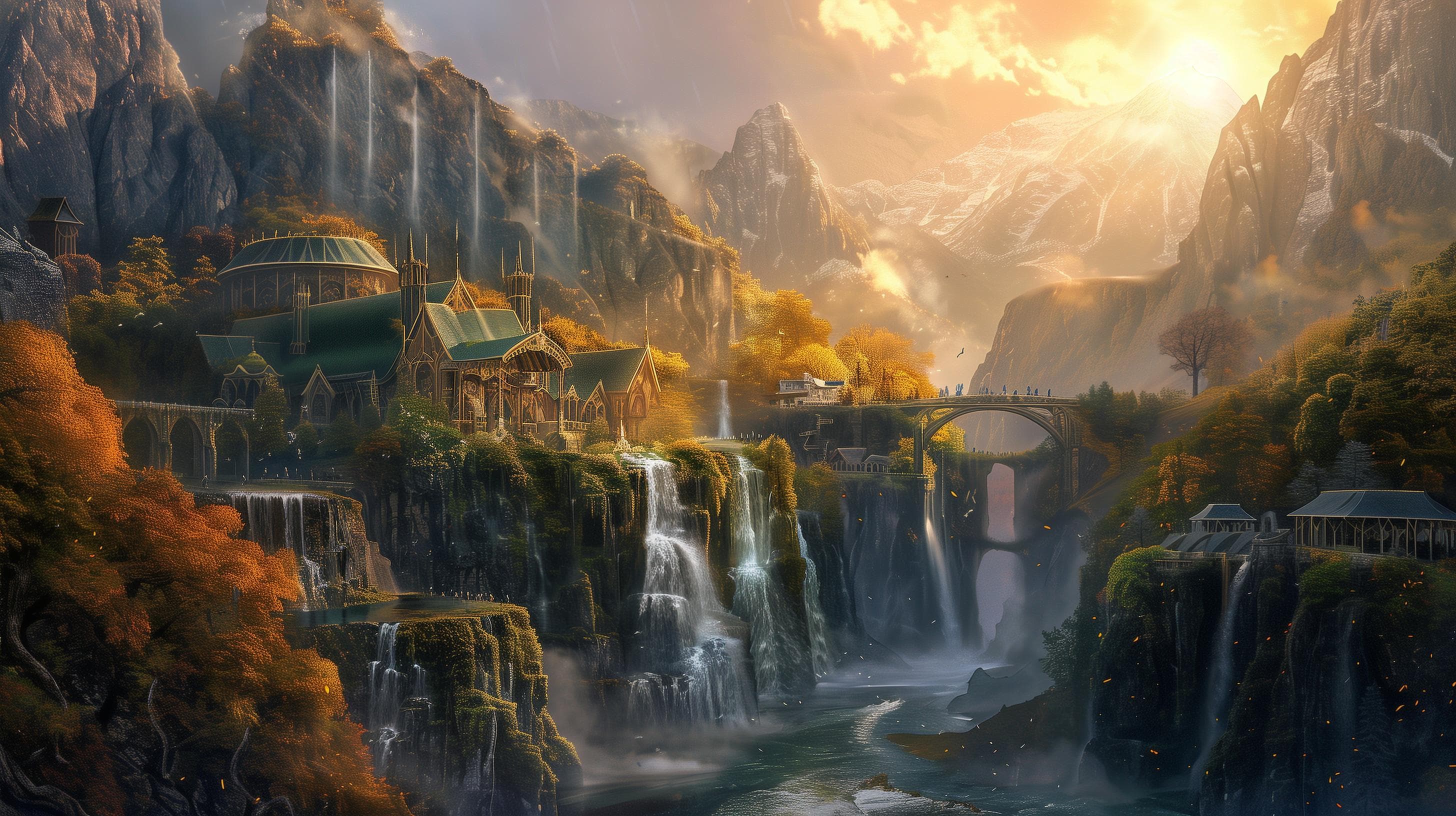 Location
Rivendell
Elrond’s refuge in a hidden valley below the Misty Mountains, a haven of lore, healing and counsel.
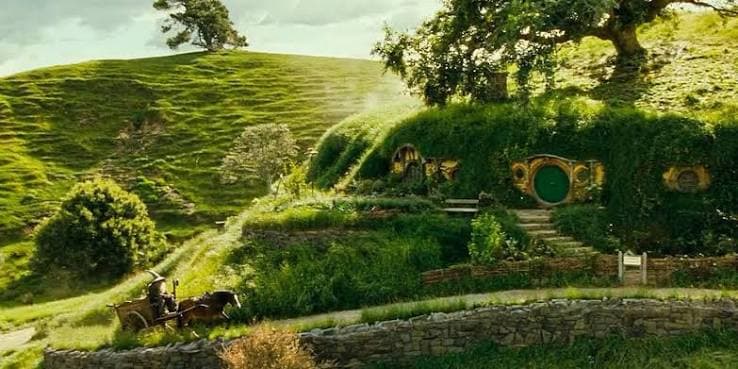 Location
The Shire
The green homeland of the Hobbits in the west of Eriador, sheltered and largely overlooked by the great powers.
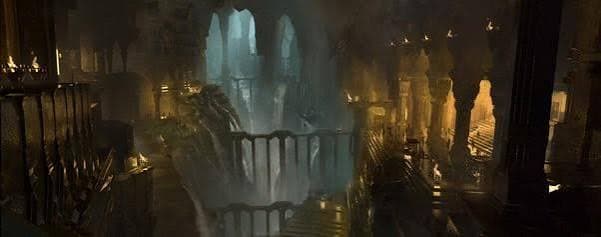 Location
Moria
The greatest Dwarven city, delved beneath the Misty Mountains, abandoned after the awakening of a Balrog.
 Location
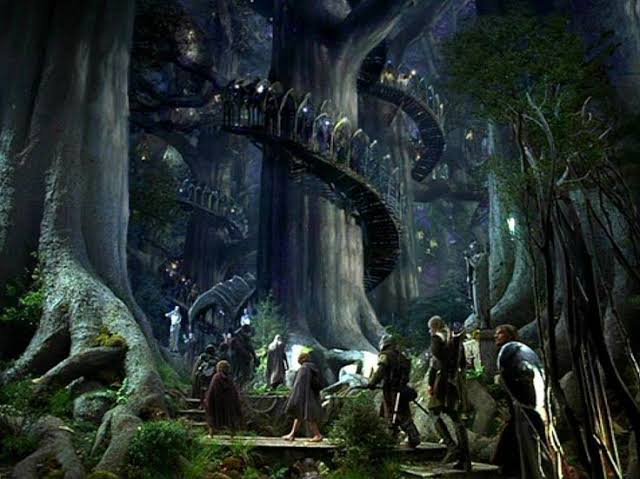
Lothlórien
The golden Elven realm of Galadriel and Celeborn, preserved outside ordinary time by the ring Nenya.
 Location
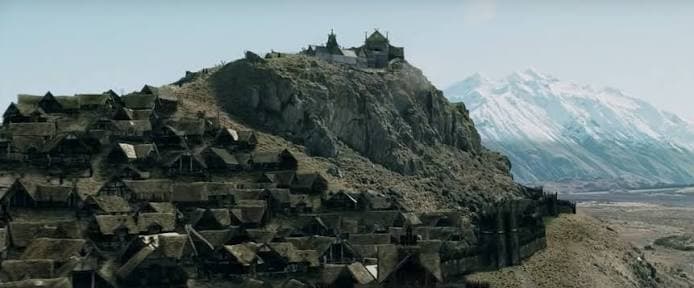
Edoras
The capital of Rohan, its golden hall Meduseld standing on a green hill below the White Mountains.
 Location
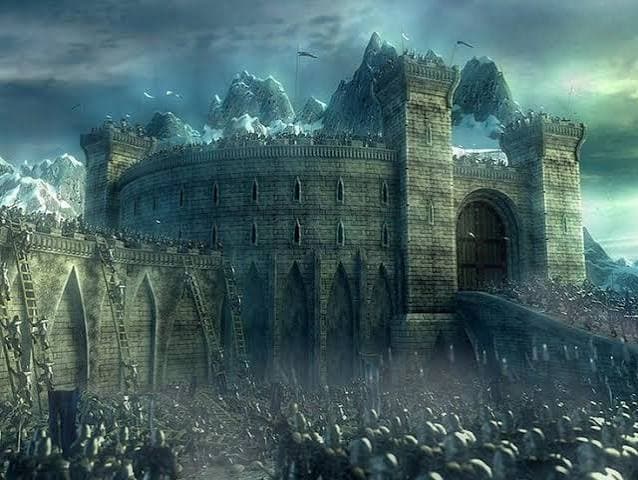
Helm’s Deep
The fortress of the Hornburg in the valley behind the Deeping Wall, scene of Rohan’s greatest defensive battle.
 Location
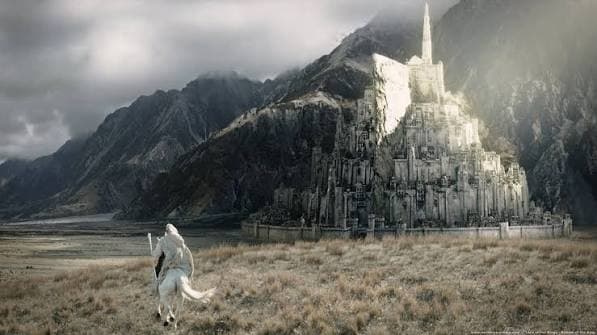
Minas Tirith
The seven-tiered white city of Gondor, built into Mount Mindolluin, and the great fortress of the West.
 Location
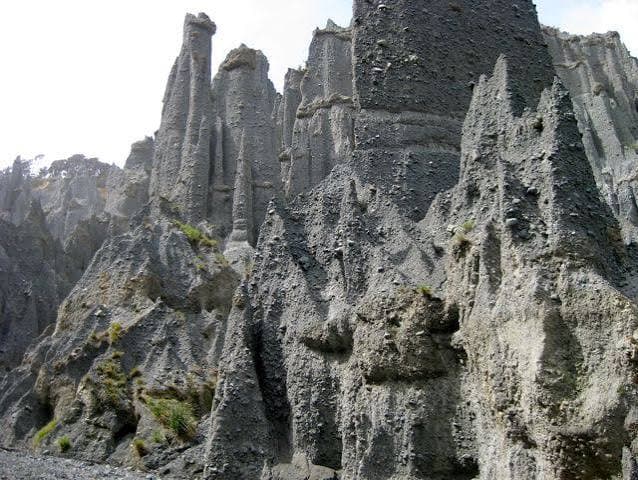
The Paths of the Dead
The haunted pass beneath the White Mountains through which Aragorn summoned the Oathbreakers.
 Location
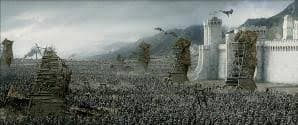
The Pelennor Fields
The fertile plain before Minas Tirith, site of the great battle that broke Sauron’s western army.
 Location
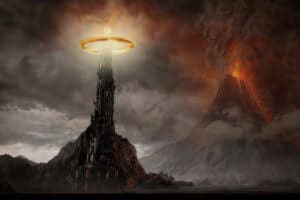
Mordor
Sauron’s realm behind the Mountains of Shadow, ringed by the Ephel Dúath and Ered Lithui.
In the histories
Artifacts
 Artifact
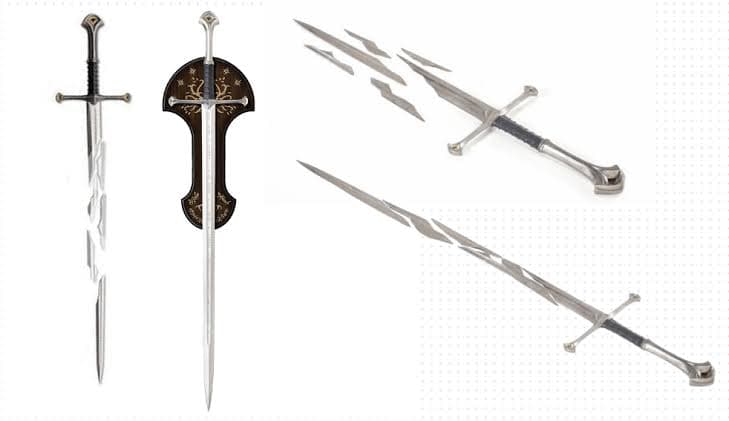
Narsil and Anduril
The sword of Elendil, broken when he fell before Sauron and reforged in Rivendell as Anduril, the Flame of the West, the blade that passes to the heir of Isildur.
 Artifact
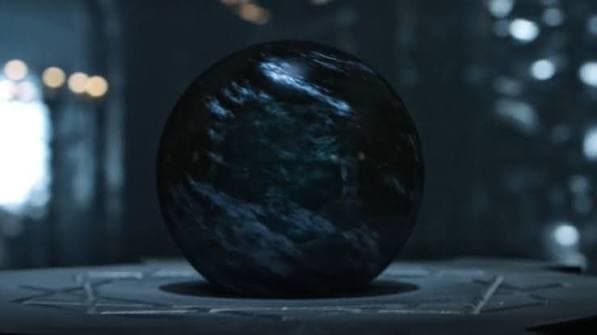
The Palantiri
Seven great seeing-stones made in the Elder Days, brought to Middle-earth by the Numenoreans. Powerful, difficult and easily turned to evil, they play a decisive part in the War of the Ring.
 Artifact
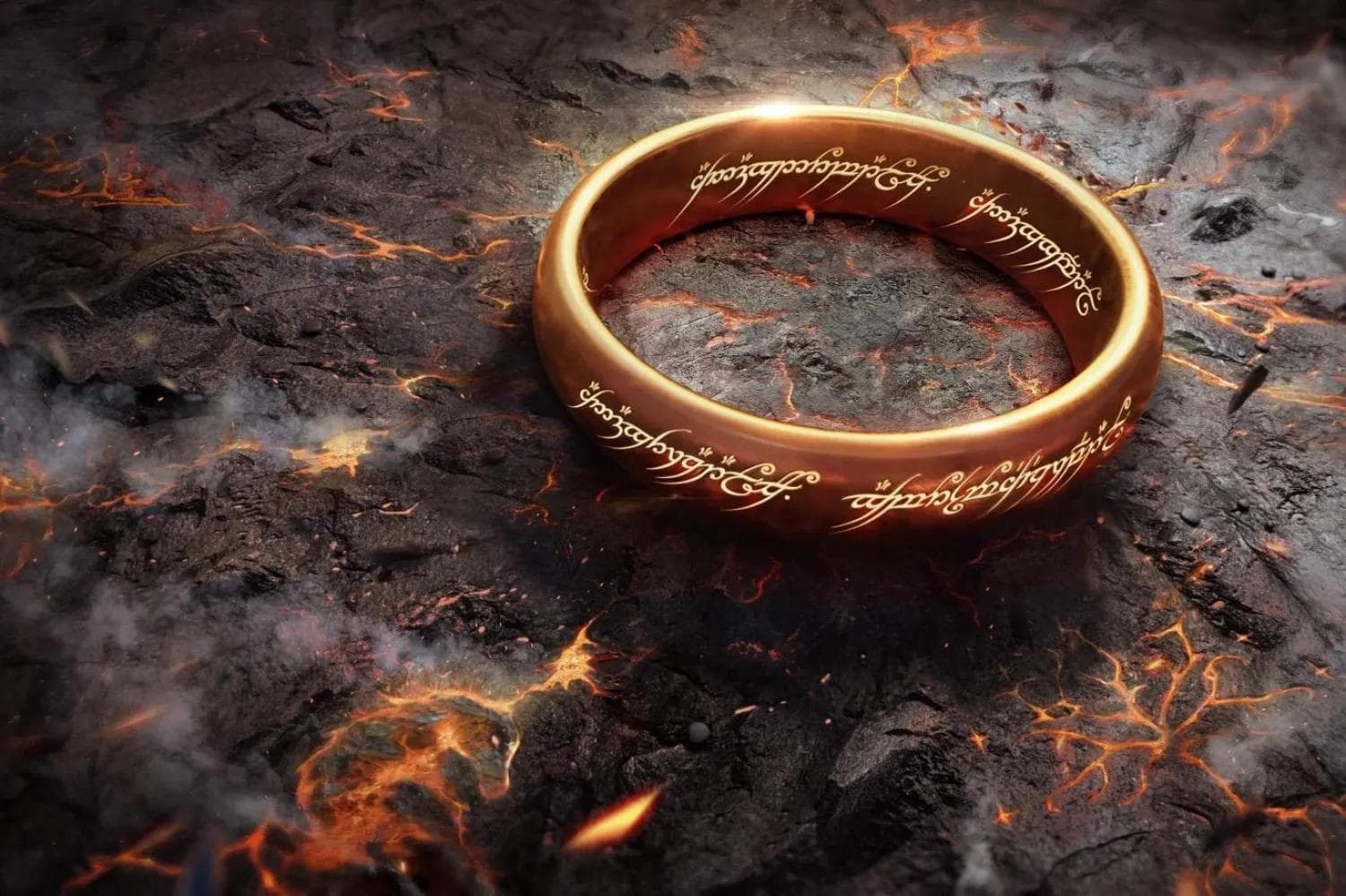
The One Ring
Sauron's master-ring, forged in secret to dominate the other Rings of Power and their bearers. Its passage through Middle-earth drives the central drama of The Lord of the Rings.
 Artifact
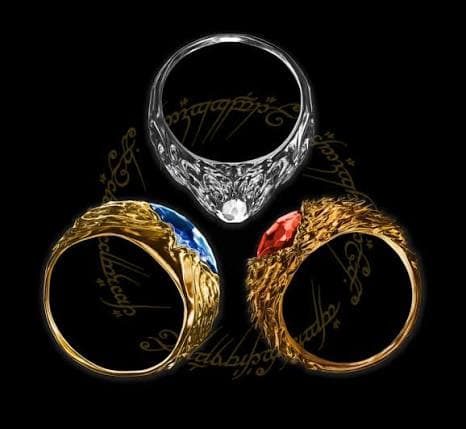
The Three Elven Rings
The three Rings of Power made by Celebrimbor alone, never touched by Sauron, and kept hidden while the One endured. Their preservation of all that Elves loved ended when the One was destroyed.
Appearances
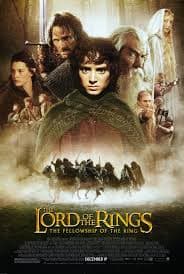 The Fellowship of the Ring
Introduced in “Strider”; through Moria and Lórien
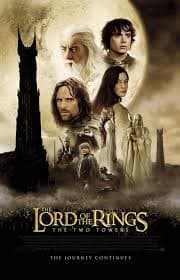 The Two Towers
The hunt for the hobbits; Helm’s Deep; the palantír
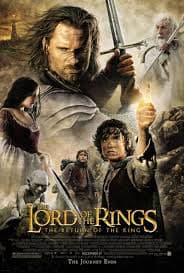 The Return of the King
Paths of the Dead; Pelennor; the Black Gate; the coronation
In adaptation
Adaptation note
- Peter Jackson’s films place more emphasis on Aragorn’s reluctance toward kingship, dramatising an internal doubt less pronounced in the book, where his claim is more confident and the main tension is political.
- The films simplify the reforging of Andúril and its timing.
Quotations
“I am Aragorn son of Arathorn; and if by life or death I can save you, I will.”
— The Fellowship of the Ring, “Strider”
Sources
The Lord of the Rings · 1954–55
Three volumes: The Fellowship of the Ring, The Two Towers, The Return of the King.
The Silmarillion · 1977
Posthumously edited. Contains the Ainulindalë, Valaquenta, Quenta Silmarillion, Akallabêth and Of the Rings of Power.
Unfinished Tales · 1980
Expanded and alternative accounts of the First, Second and Third Ages.
Related entries
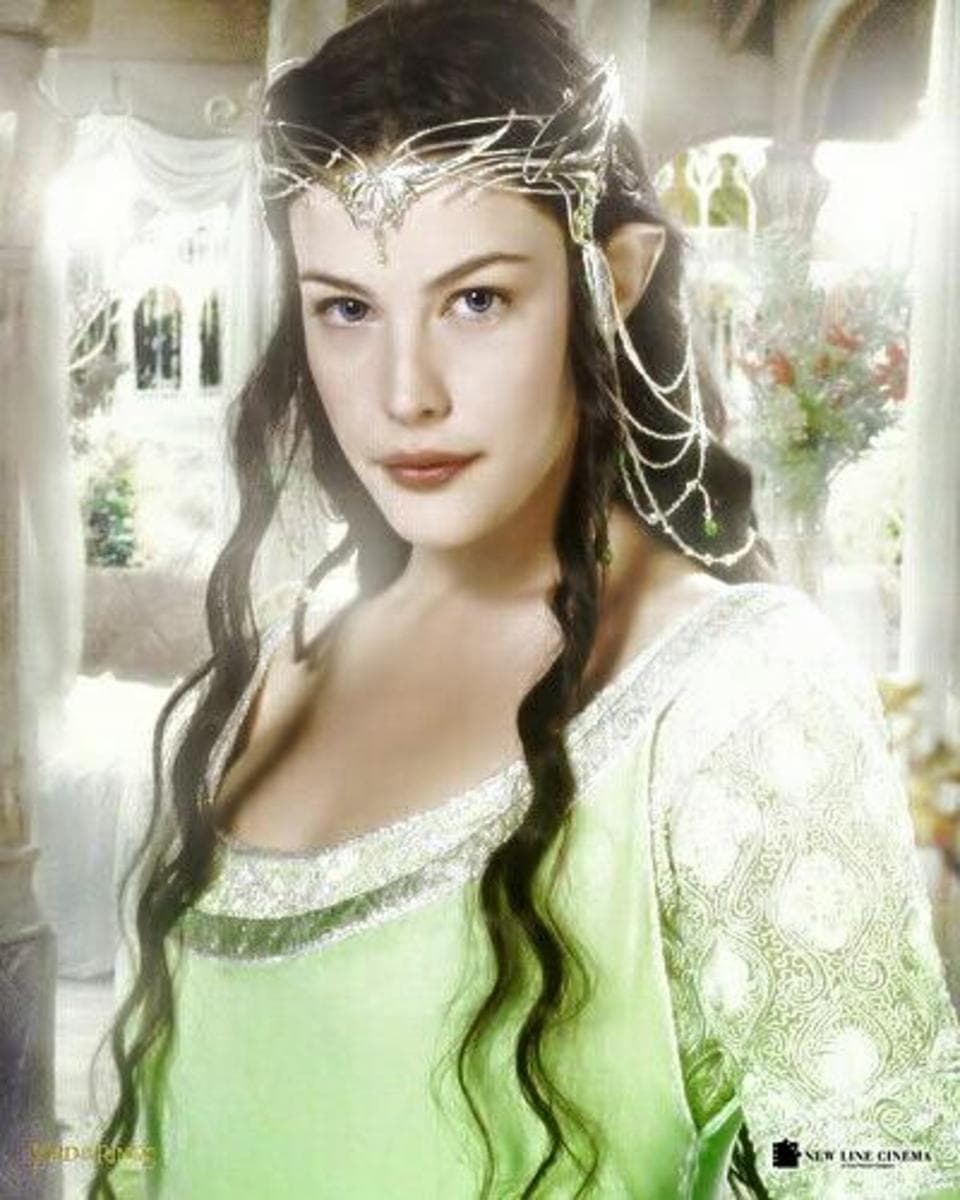 Character
Arwen Undómiel
Daughter of Elrond who chose mortality to wed Aragorn, uniting the lines of Lúthien and Beren.
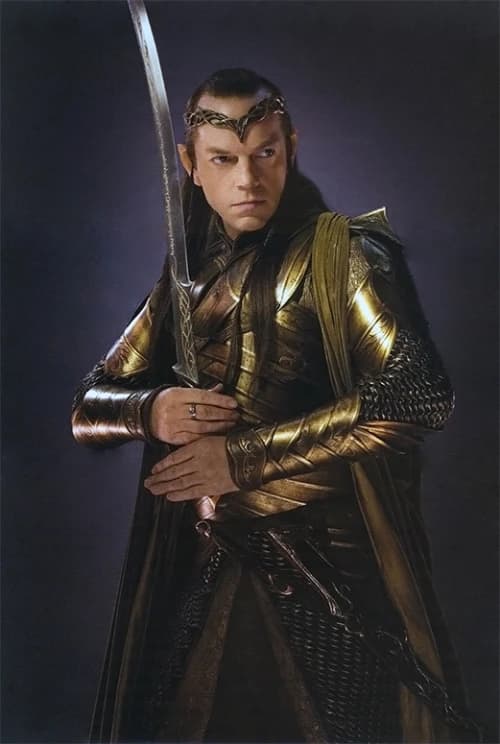 Character
Elrond
Lord of Rivendell, keeper of the Elven-ring Vilya, loremaster and healer, and foster-father of Aragorn.
Arathorn II
Chieftain of the Dúnedain and father of Aragorn, killed by Orcs while Aragorn was an infant.
Gilraen
Mother of Aragorn, who took him to Rivendell for safety and later died in grief.
Isildur
King of Gondor and Arnor who cut the One Ring from Sauron’s hand, then kept it and was slain by Orcs.
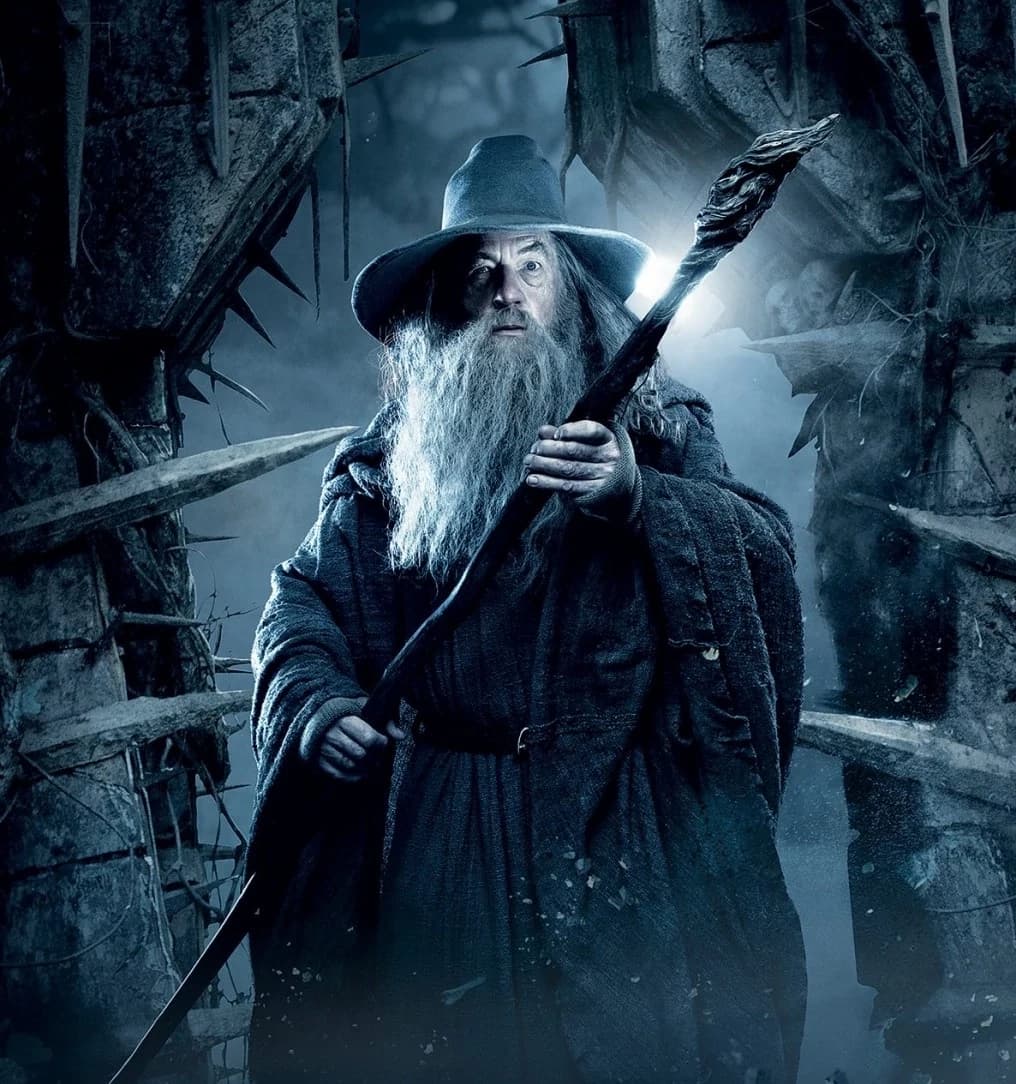 Character
Gandalf
A Wizard of the Istari, keeper of the Elven-ring Narya, and the chief architect of the resistance to Sauron.
 Character
Frodo Baggins
The hobbit of the Shire who carried the One Ring across Middle-earth to Mount Doom and destroyed it.
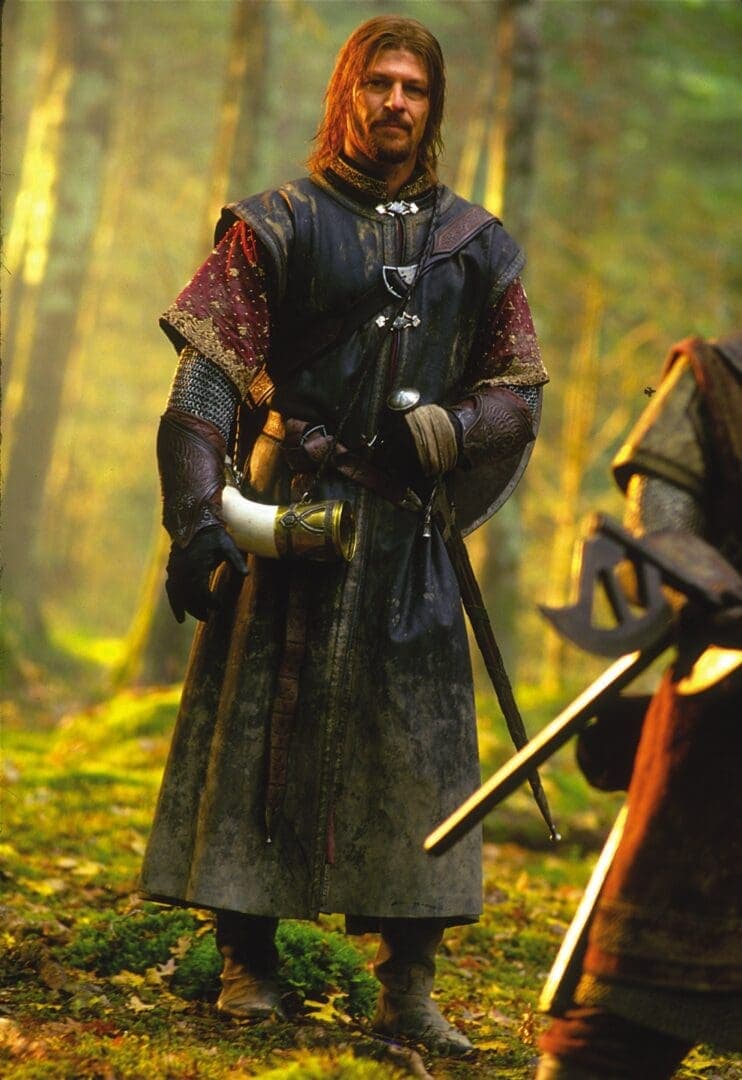 Character
Boromir
The proud eldest son of Denethor who joins the Fellowship, tries to take the Ring, and redeems himself dying to defend Merry and Pippin.
Éowyn
Théoden’s niece, who defied the prohibition on women going to war and slew the Witch-king at the Pelennor.
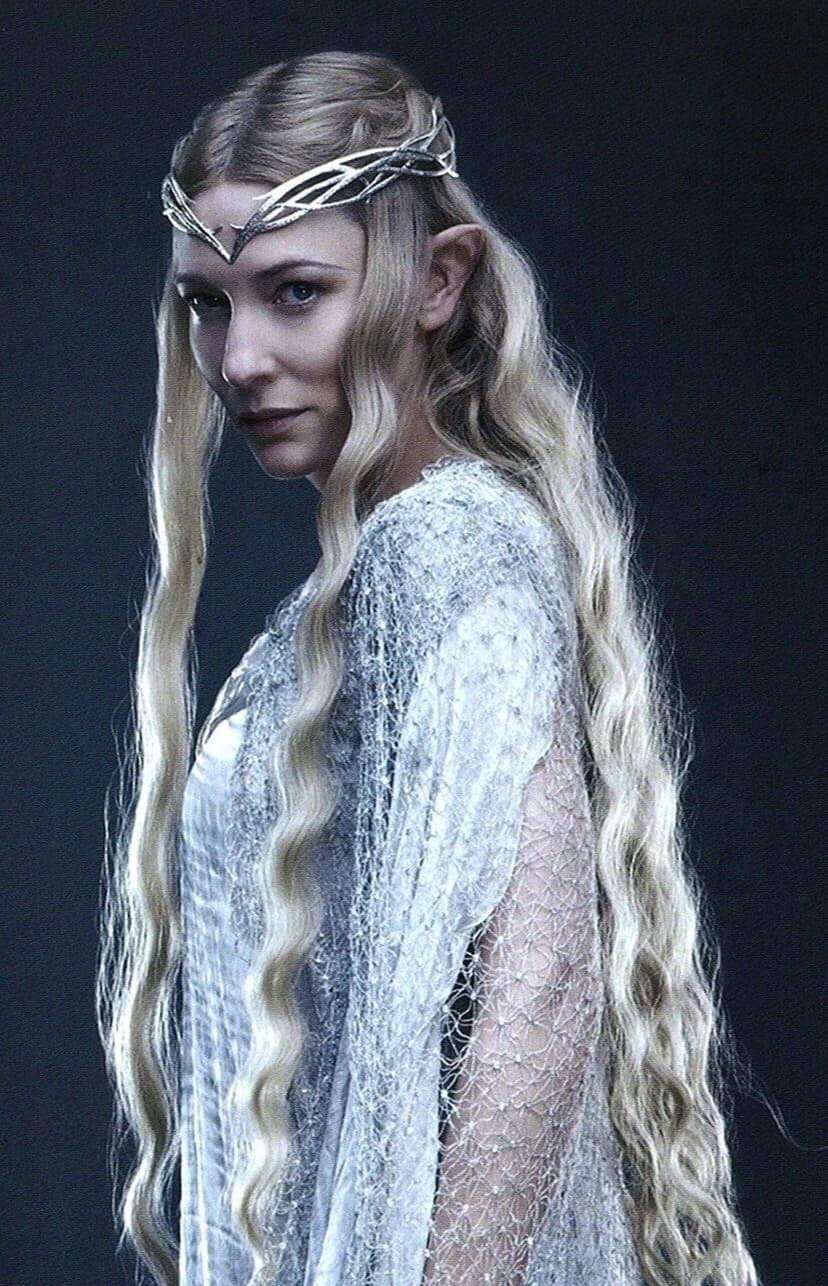 Character
Galadriel
An Elven-queen of the Noldor, wielder of Nenya, and one of the wisest and most powerful figures remaining in Middle-earth.
 Character
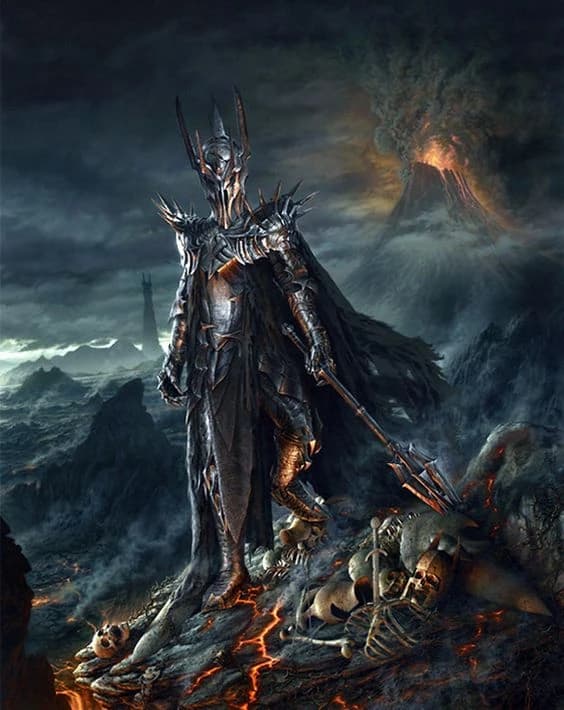
Sauron
A Maia and former lieutenant of Morgoth, forger of the One Ring and the central antagonist of The Lord of the Rings.