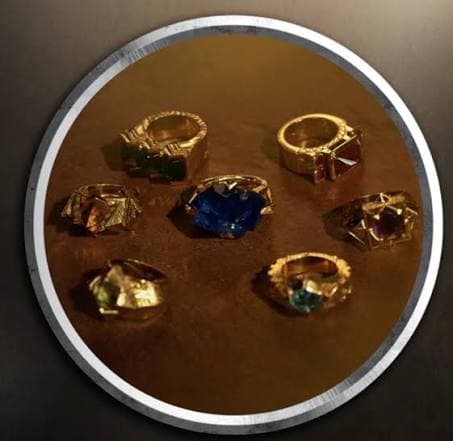
Description
The Seven were part of Sauron scheme for binding the peoples of Middle-earth, and he gave them out to the Dwarf-lords. The Dwarves, being made tough in body and slow to be mastered, did not fade into wraiths as Men did. Instead the rings sharpened the desire for gold and fine work, the very hunger for which dragons are drawn, and so the Seven hastened the ruin they were meant to prevent. Their history is bound up with the long misfortunes of Durin line.
Powers
- Multiplied the wealth and craft of their Dwarf-bearers, especially the getting of gold.
- Sharpened skill in mining and smithing in the eyes of their owners.
- Made their bearers successful and, in time, endlessly dissatisfied.
Limitations
- They could not make a Dwarf a wraith; the Dwarves proved resistant to Sauron dreams of domination.
- Their chief effect was a creeping greed that drew dragons and feuds.
- They remained subject to the One, and Sauron regarded them as his to gather or buy back.
Line of owners
- 1
The seven houses of the Dwarves
Second Age
Distributed by Sauron; each house plied its ring to enlarge its hoards.
- 2
Thror
Third Age
Bearer of a ring of the line of Durin, with which he grew wealthy and proud under the Mountain.
- 3
Thrain
T.A. up to c. 2850
Held the ring after Thror; taken from him when Sauron captured him at Dol Guldur.
- 4
Sauron
c. T.A. 2850 onward
Recovered the ring of Durin line; he later offered it in vain to Dain Ironfoot.
Symbolism
Symbolism
The ring as an accelerator of whatever appetite a people already has, and the way treasure and doom are entangled in Dwarvish history.
Fate
Several were consumed with their bearers by dragons; the rest were gathered again by Sauron. The texts do not account for every one of the Seven by name.
Interpretation
Reasoned analysis — not from the books
Tolkien leaves the fates of individual rings largely unfixed. The surviving accounts agree on their general tendency, greed leading to loss, but differ on particular hoards and particular dragons.
Characters
 Character
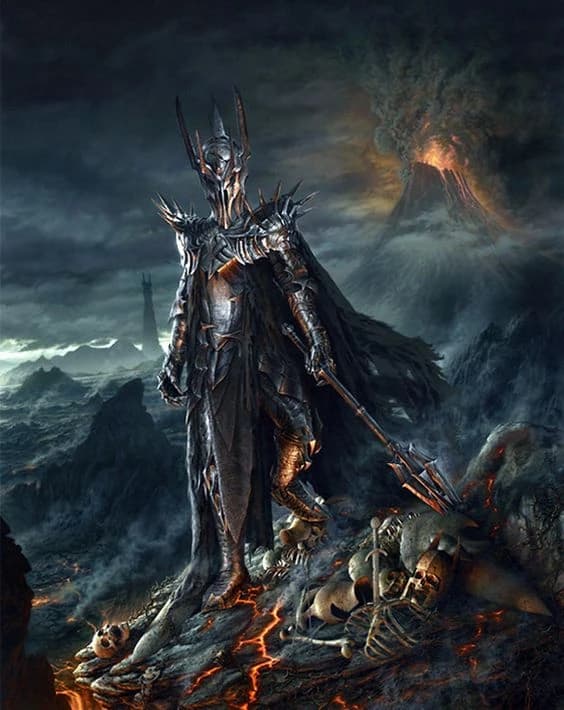
Sauron
A Maia and former lieutenant of Morgoth, forger of the One Ring and the central antagonist of The Lord of the Rings.
 Character
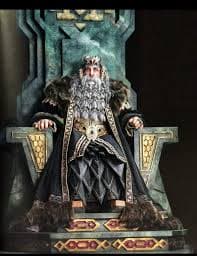
Thrór
Grandfather of Thorin and King under the Mountain before Smaug, later slain by the Orc Azog.
 Character
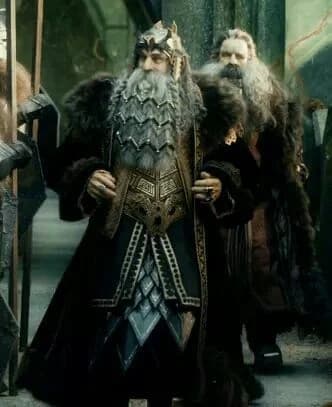
Thráin II
Father of Thorin Oakenshield, captured and tormented by Sauron, from whom Sauron took a Dwarf-ring.
In the histories
Sources
The Silmarillion · 1977
Posthumously edited. Contains the Ainulindalë, Valaquenta, Quenta Silmarillion, Akallabêth and Of the Rings of Power.
The Lord of the Rings · 1954–55
Three volumes: The Fellowship of the Ring, The Two Towers, The Return of the King.
Unfinished Tales · 1980
Expanded and alternative accounts of the First, Second and Third Ages.
The History of Middle-earth · 1983–96
Twelve volumes documenting the evolution of the legendarium.
The Letters of J.R.R. Tolkien · 1981
Authorial commentary useful for interpretation, but not always narrative canon.
Related entries
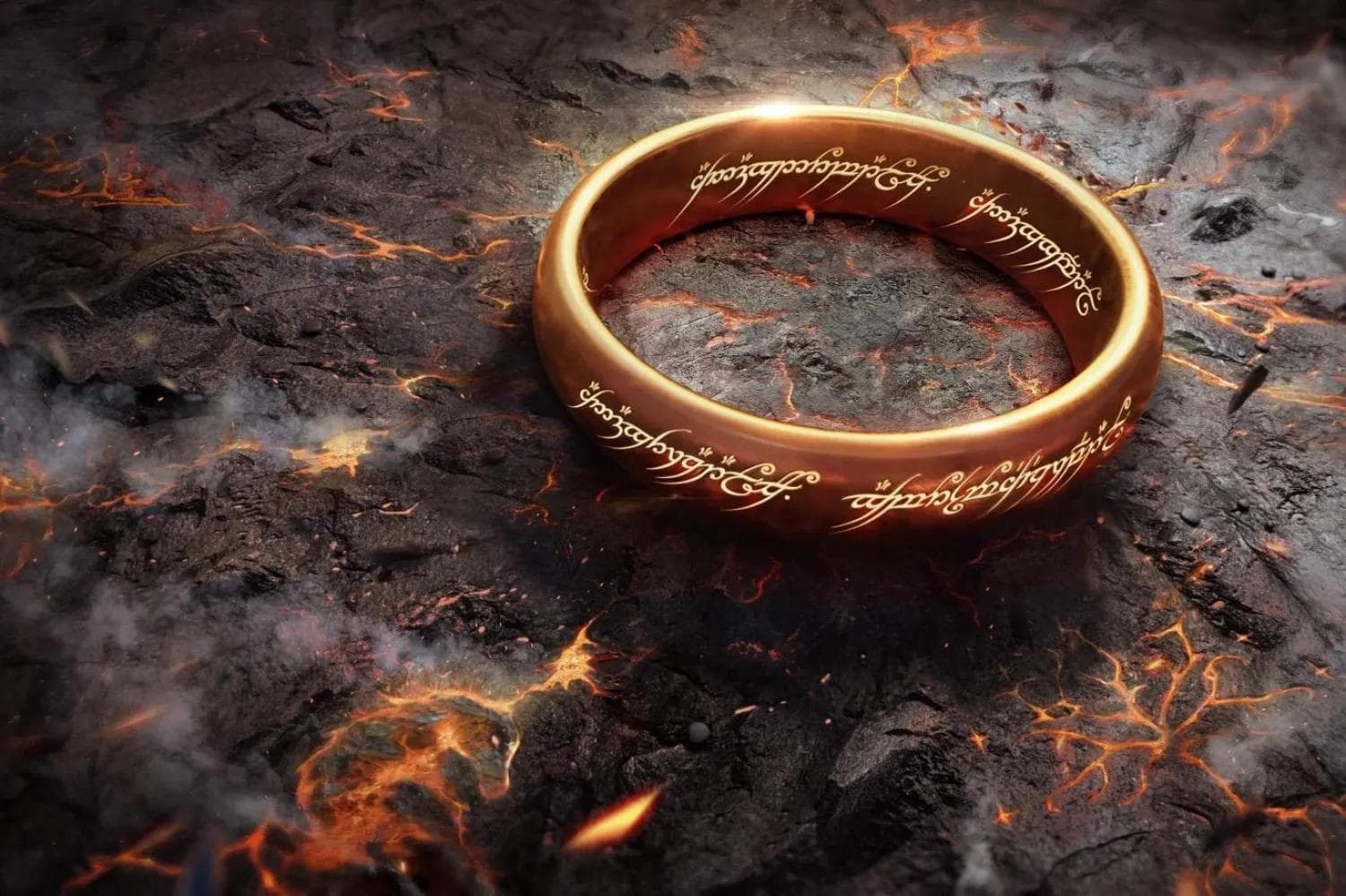 Artifact
The One Ring
Sauron's master-ring, forged in secret to dominate the other Rings of Power and their bearers. Its passage through Middle-earth drives the central drama of The Lord of the Rings.
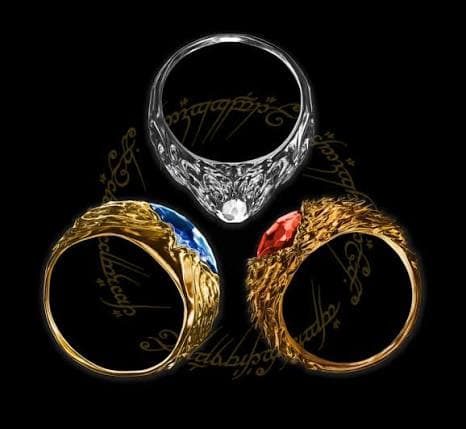 Artifact
The Three Elven Rings
The three Rings of Power made by Celebrimbor alone, never touched by Sauron, and kept hidden while the One endured. Their preservation of all that Elves loved ended when the One was destroyed.
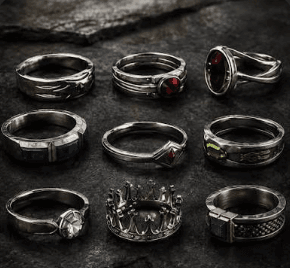 Artifact
The Nine Rings of Men
The nine Rings given to mortal lords, whose wearers were stretched into unending life and became the Ringwraiths, the Nazgul, Sauron most terrible servants.
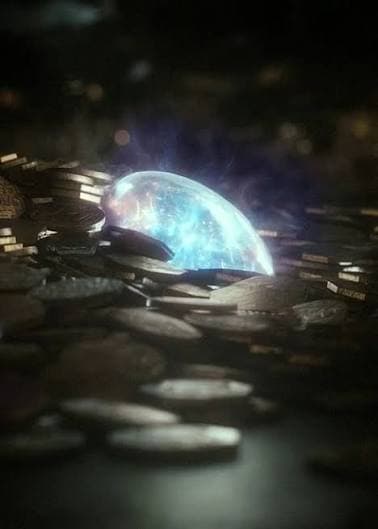 Artifact
The Arkenstone
A great jewel of Erebor, prized above all treasure by the Dwarves and used by Bilbo in a desperate attempt to prevent war. Its beauty brings out the dragon-sickness in Thorin.