Description
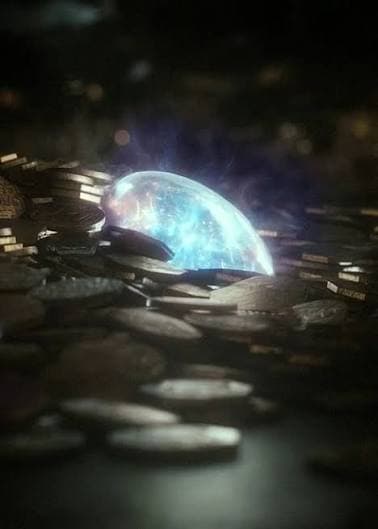
The Arkenstone is a natural jewel of extraordinary size and light, carved and shaped by the Dwarves but not created by them. It became the single most prized possession of the kings under the Mountain, the Heart of the Mountain, and its loss and recovery lie at the center of the quest of Erebor. It has no magical power in the sense of the Rings, but its beauty and worth act on those who desire it with almost the force of an enchantment. Thorin willingness to risk war over it, and Bilbo decision to give it away, are the moral hinge of the story.
Powers
- A jewel of surpassing beauty that casts its own inner light.
- As the greatest treasure of Erebor it commands loyalty, pride and, dangerously, greed.
Limitations
- It has no supernatural power; its influence is the ordinary power of great value over imaginative people.
- It cannot heal the dragon-sickness it inflames.
Line of owners
- 1
Thrain I and the kings under the Mountain
Third Age
Found and prized as the chief heirloom of the Dwarves of Erebor.
- 2
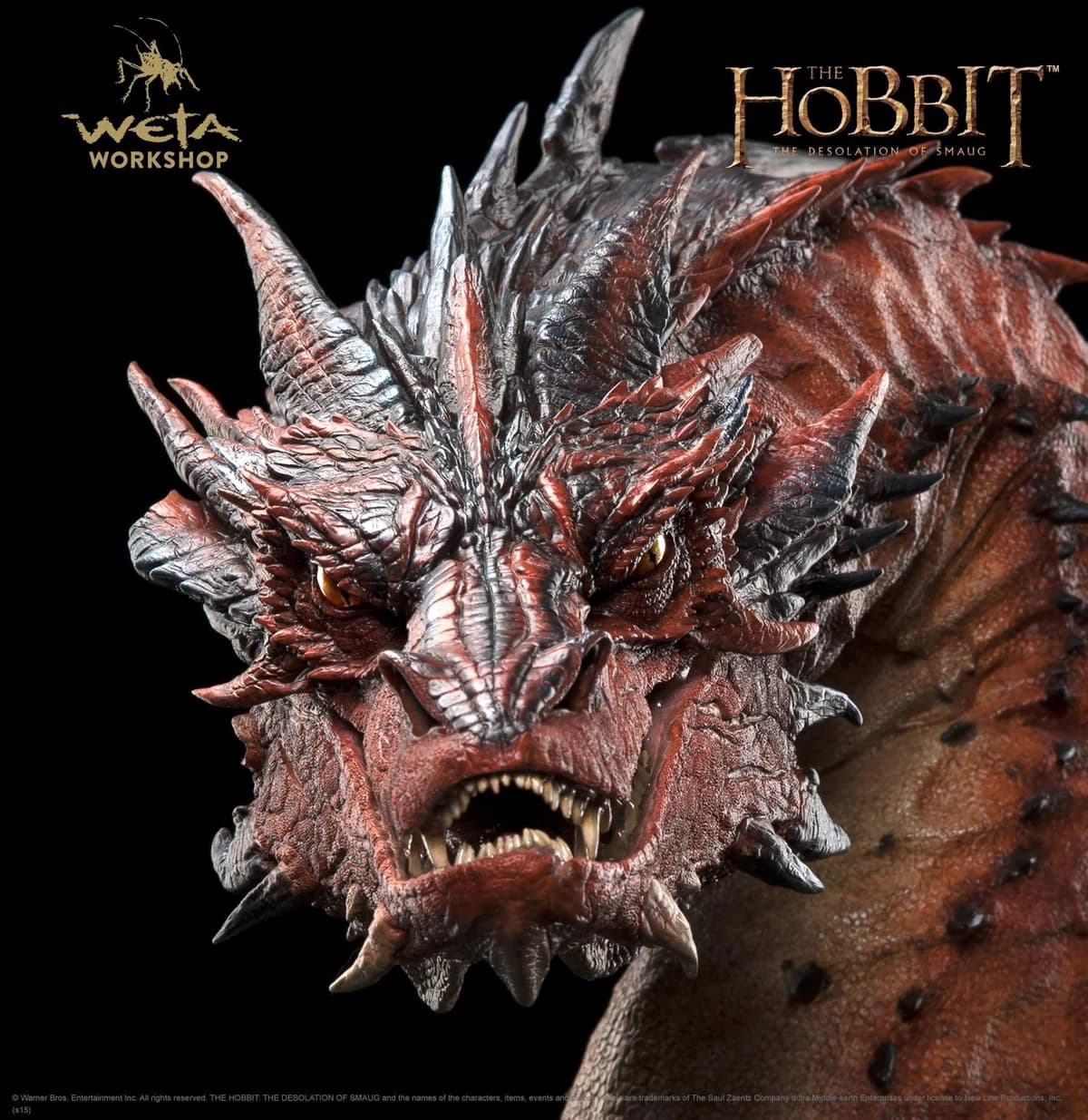
Smaug
T.A. 2770-2941
Sacked Erebor and hoarded the jewel among his treasure.
- 3
Bilbo Baggins
T.A. 2941
Found it in the dragon hoard and kept it secret before giving it as a bargaining piece.
- 4
Thorin Oakenshield and his tomb
T.A. 2941 onward
Recovered after the Battle of Five Armies and laid on Thorin breast in death.
Symbolism
Symbolism
The lure and the curse of great wealth. The Arkenstone is not evil, but it lays bare the greed that dragons and Dwarves alike can fall into, and Bilbo small act of honesty is set against it.
Fate
Buried with Thorin Oakenshield in the restored kingdom under the Mountain.
Characters
In the histories
Sources
The Hobbit · 1937
Published in Tolkien’s lifetime. The primary narrative of Bilbo’s journey.
The Lord of the Rings · 1954–55
Three volumes: The Fellowship of the Ring, The Two Towers, The Return of the King.
Unfinished Tales · 1980
Expanded and alternative accounts of the First, Second and Third Ages.
The History of Middle-earth · 1983–96
Twelve volumes documenting the evolution of the legendarium.
Related entries
 Artifact
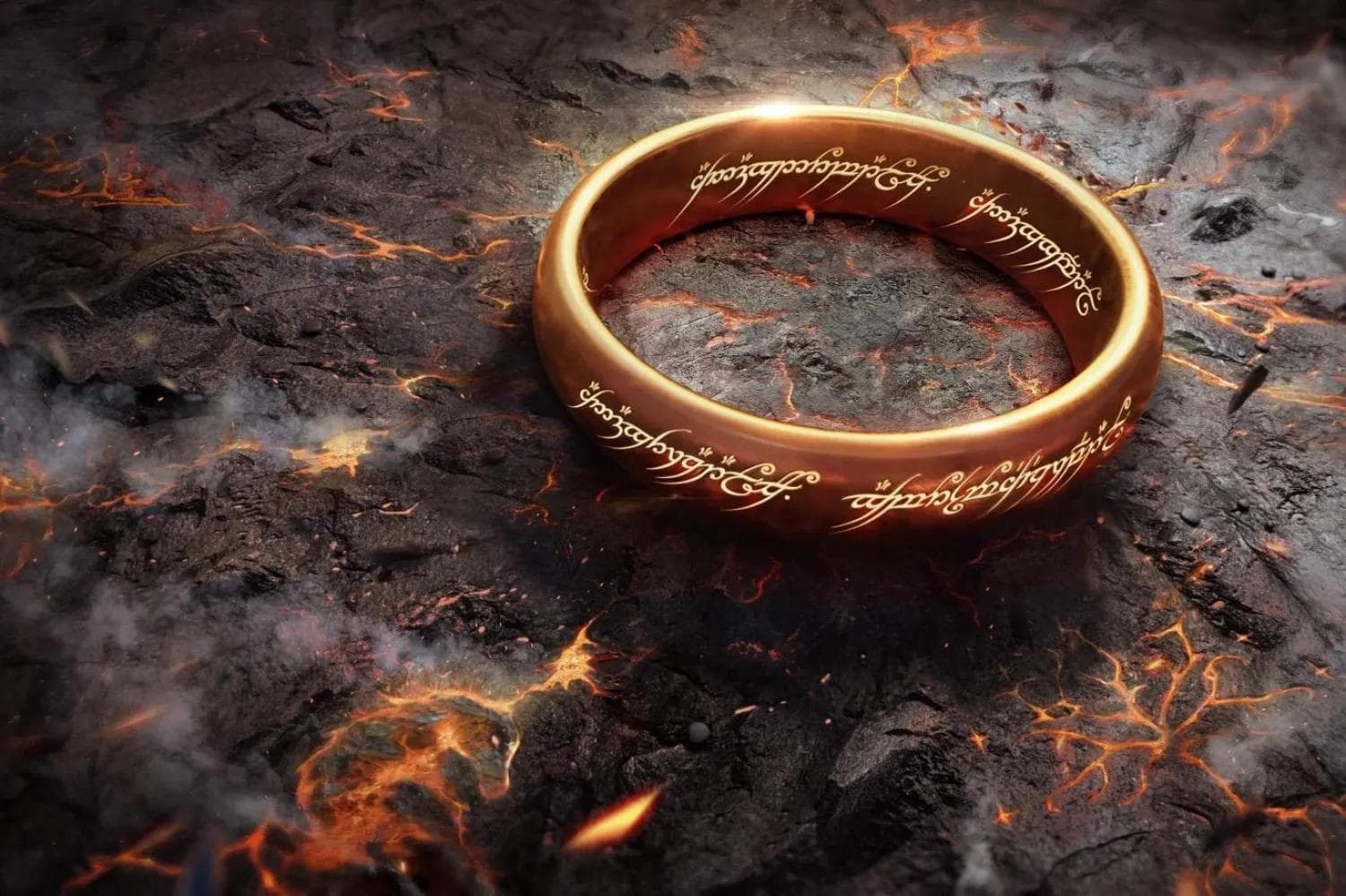
The One Ring
Sauron's master-ring, forged in secret to dominate the other Rings of Power and their bearers. Its passage through Middle-earth drives the central drama of The Lord of the Rings.
 Artifact
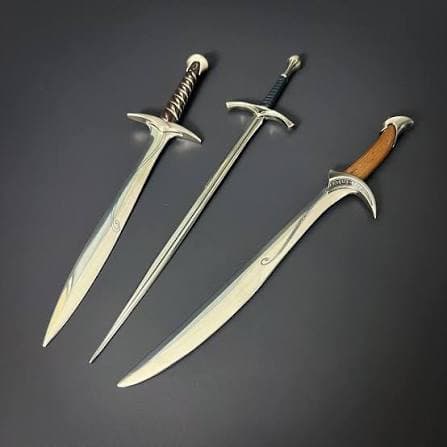
Glamdring, Orcrist and Sting
Three blades forged in Gondolin in the First Age and rediscovered in a troll-hoard in the Third, feared by orcs and divided among Gandalf, Thorin and Bilbo.
 Artifact
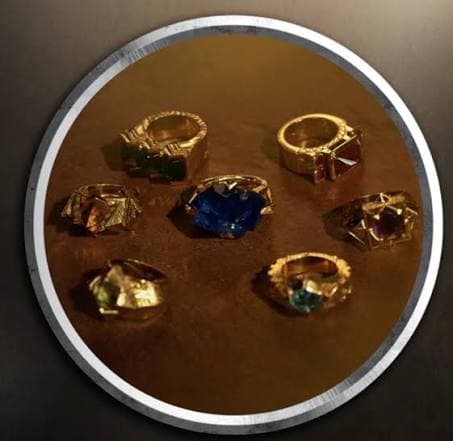
The Seven Dwarf Rings
Seven Rings given to the seven houses of the Dwarves. They bred wealth and gold-lust rather than the wraithdom Sauron intended, and most were consumed by dragons or reclaimed by their maker.